


22/06/2026 10:12 - Actualidad
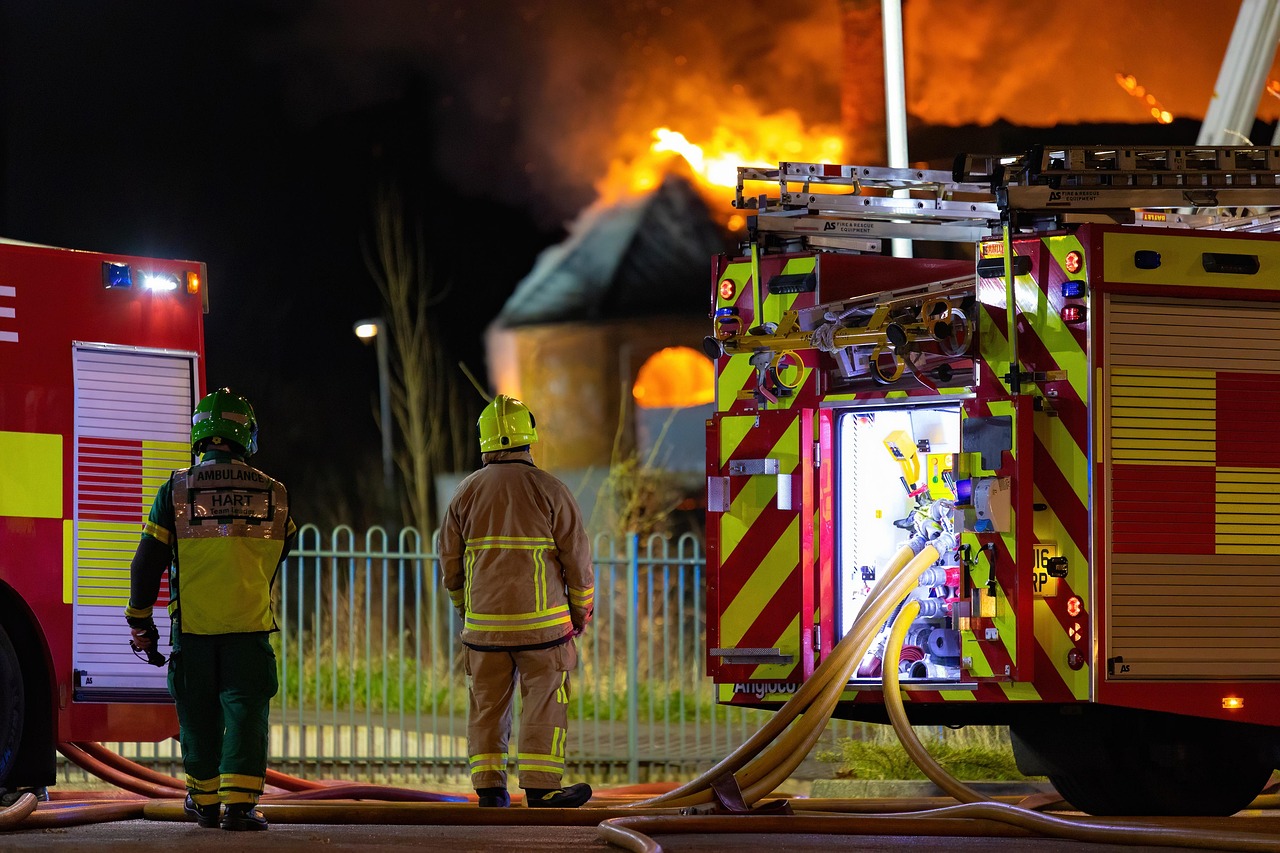
Incendio forestal en Cafayate con llamas consumiendo vegetación seca y bomberos combatiendo el fuego en zona montañosa.
The breathtaking beauty of the Calchaquí Valleys is under threat. A forest fire that began around June 8, 2026 remains active near Cafayate, in the province of Salta, Argentina. As of June 22, 2026, the flames have consumed approximately 200 hectares in a region renowned for its wine production and stunning tourist landscapes.
Cafayate is a charming town in the Valles Calchaquíes (Calchaquí Valleys), located about 189 kilometers from Salta city. Famous for its high-altitude vineyards and the iconic Quebrada de Cafayate — a dramatic gorge with unique rock formations — this area attracts thousands of international tourists each year. The region sits at over 1,600 meters above sea level, creating ideal conditions for Torrontés wine production, Argentina's signature white wine.
According to local press reports, the fire has shown concerning persistence, forcing authorities to reinforce firefighting operations. The difficult terrain and dry winter conditions typical of Argentina's northwest have complicated the work of firefighters and volunteers.
One of the most critical points is the fire's proximity to a solar power park, adding an energy infrastructure risk to the environmental emergency. Protecting these assets has become a strategic priority to prevent service disruptions.
Although June marks the beginning of the southern winter, drought conditions in northwestern Argentina can persist, providing dry vegetation that acts as fuel for rapid fire spread. The mountainous topography of Cafayate further complicates access for rescue teams and heavy machinery.
One hectare equals 10,000 square meters or about 2.47 acres. This means 200 hectares is roughly equivalent to 280 soccer fields — a significant environmental impact.
Due to persistent smoke and nearby flames, residents and tourists in the area are advised to stay informed through official channels of Salta's Civil Defense. It is essential to avoid circulation through risk zones and cooperate with prevention measures indicated by work teams.
Sources: Local press reports from Infobae and Clarín consulted on June 22, 2026.

Alfredo S. Quiroga
