


25/06/2026 12:05 - Internacionales
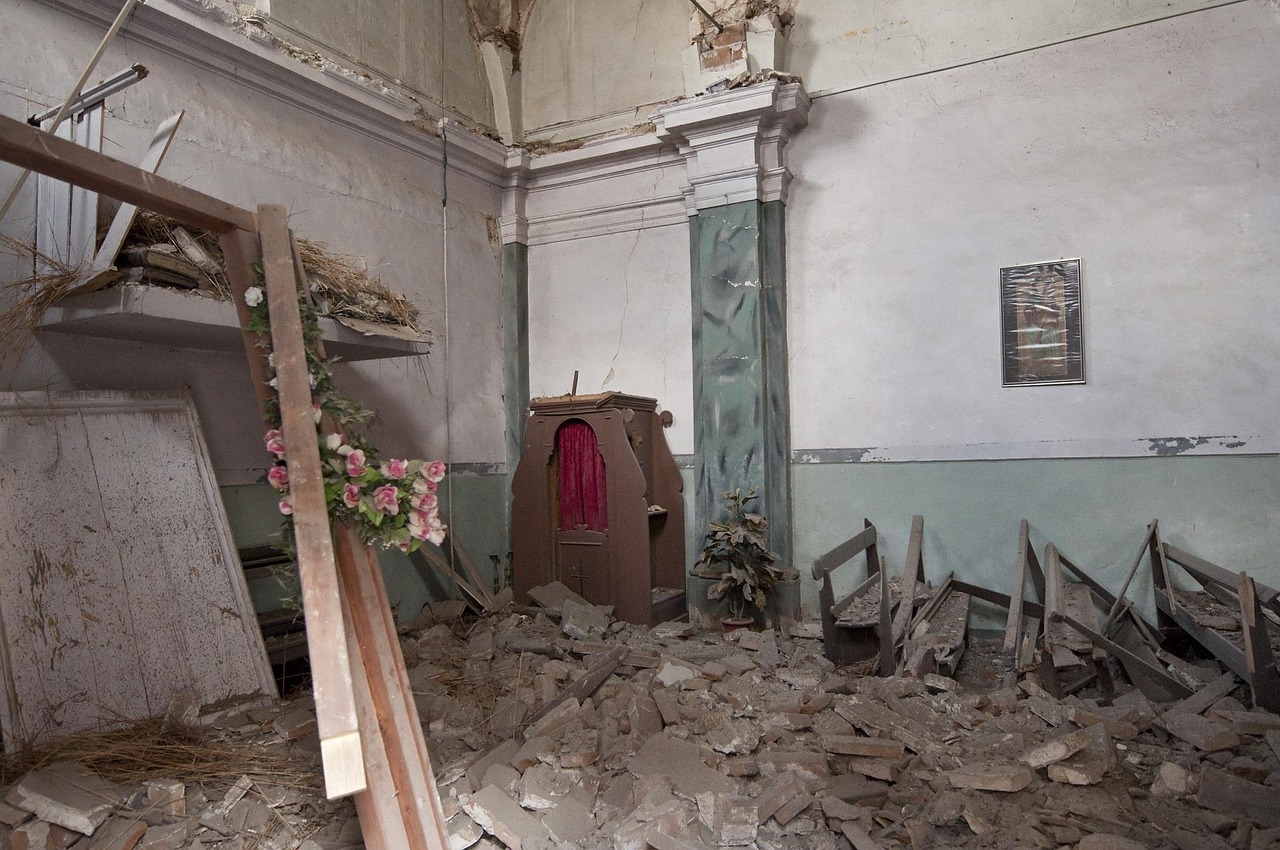
Venezuela faces a tragedy of historic proportions after two powerful earthquakes struck the Caribbean nation on Wednesday, June 24, 2026. The tremors of magnitude 7.2 and 7.5 on the Richter scale occurred with only 39 seconds apart, generating panic and destruction in Caracas and other cities in the north of the country.
According to the United States Geological Survey (USGS), the first quake occurred at a depth of 20 kilometers, while the second, more shallow, was recorded at only 10 kilometers. This phenomenon, known as a seismic doublet, released energy comparable to 260 nuclear bombs like Hiroshima, according to geologist Eduardo Malagnino.
Venezuela's acting president, Delcy Rodríguez, declared a national state of emergency and reported an initial toll of 32 dead and more than 700 injured. However, updated figures from early Thursday raised the number to 164 dead and 971 injured, with a website for missing persons reporting more than 22,000 people unaccounted for.
| Magnitude | 7.2 and 7.5 |
| Time separation | 39 seconds |
| Depth | 10-20 km (shallow) |
| Distance to Caracas | ~200 km (~125 miles) |
| Local time | 6:04 PM |
| Epicenter | Near San Felipe, Yaracuy state |
Given the magnitude of the tragedy, multiple countries and international organizations have offered assistance. The President of the United States, Donald Trump, quickly stated: "The United States is ready, willing and able to help." Pope Leo XIV sent an initial aid of 100,000 euros through the Office of Papal Charities.
Argentina, through Foreign Minister Pablo Quirno and President Javier Milei, offered immediate humanitarian assistance. The Argentine Foreign Ministry reported that it maintains contact with Venezuelan authorities and that there are no reports of Argentine citizens affected at this time.
Other countries that have shown solidarity include:
Venezuelan writer Mónica Dragón, based in La Plata, Argentina, described to EL DÍA the harrowing hours after the quake: "It was horrible, as soon as we found out we tried to contact our families... my children crying horribly because as they went down the stairs, they saw more cracks."
Argentine footballer Lucas Trejo posted a desperate plea for help on social media to find his family, who were in a collapsed building in Playa Grande, La Guaira.
The website Desaparecidos Terremoto Venezuela (Venezuela Earthquake Missing Persons) reported more than 22,000 people unaccounted for, while only 996 have been located so far.
Geologist Eduardo Malagnino explained that the earthquake resulted from a transcurrent plate movement between the Caribbean Plate and the South American Plate, similar to the San Andreas Fault in California. The region's tectonic complexity generates conditions for various types of earthquakes.
Experts from the Geological and Mining Institute of Spain (IGME-CSIC) indicate that both quakes occurred on the Boconó Fault, one of the most active in the country. The energy accumulated over 100 years was released in these two nearly simultaneous events, explaining their extraordinary destructive power.
A seismic doublet occurs when two earthquakes of similar magnitude happen in a short period of time and in the same geographic area. Unlike aftershocks (which are of lower magnitude), in a doublet both events have comparable energy. In Venezuela, the two magnitude 7.2 and 7.5 quakes occurred with only 39 seconds difference, concentrating all their destructive energy in the same place and moment, which significantly amplified the damage.
Venezuela is a country located on the northern coast of South America, bordered by Colombia, Brazil, and Guyana. Caracas is its capital and largest city, situated in a valley near the Caribbean coast. La Guaira is a coastal state immediately north of Caracas, home to the country's main international airport and important seaports. Yaracuy, where the epicenter was located, is an agricultural state in north-central Venezuela, known for its fertile valleys.

Alfredo S. Quiroga
