


27/06/2026 16:43 - Internacionales
The fragile ceasefire between the United States and Iran, signed just one week ago, faces its most critical test after an exchange of attacks that raised tensions in one of the world's most important maritime routes.
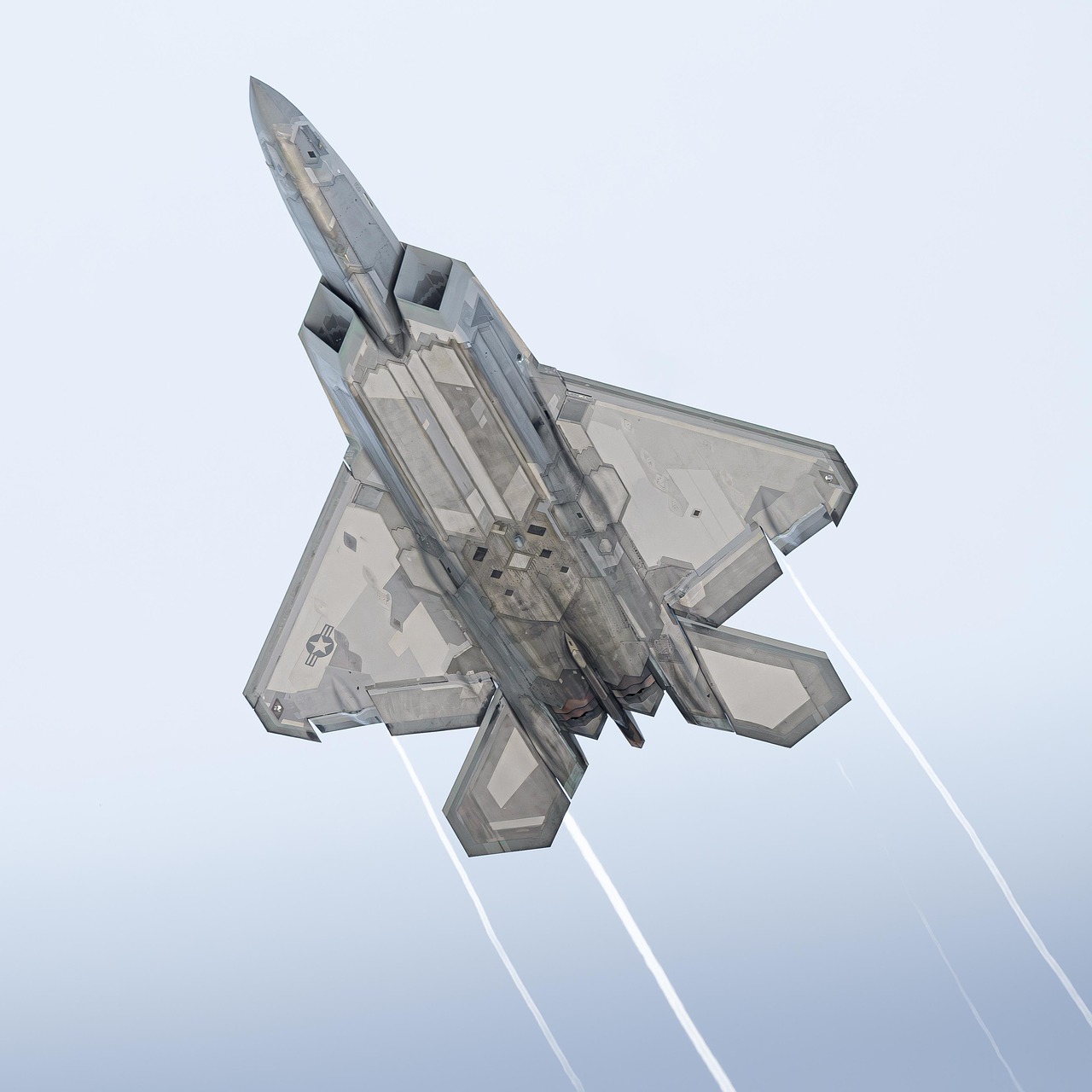
On Friday, June 26, 2026, the United States bombed multiple Iranian missile and drone facilities near the Strait of Hormuz and on Qeshm Island, in what the US Central Command (Centcom) called a "powerful response" to the Iranian attack on the Singapore-flagged cargo ship M/V Ever Lovely.
The vessel was struck on the starboard side by an unidentified projectile that damaged the bridge, according to the UK Maritime Operations Center. Fortunately, no casualties or environmental impact were reported.
Iran's Persian Gulf Strait Authority had warned that any passage through routes outside the designated framework "will not be covered by safe passage guarantees".
Donald Trump called the Iranian attack a "stupid violation" of the ceasefire and stated: "I don't like that they fired yesterday, actually four of them."
Vice President JD Vance was more blunt: "Violence will be answered with violence. If they have disagreements, they can pick up the phone."
In response to the US bombings, Iran's Revolutionary Guards launched a wave of drones against Bahrain, the country that hosts the US Navy's Fifth Fleet.
Bahrain's Ministry of Foreign Affairs confirmed the attack on Saturday, June 27 but reported no damage or casualties, describing the incident as a "flagrant threat to security".
The Revolutionary Guards declared: "If aggression is repeated, our response will be broader", while Iranian official Ebrahim Azizi stated that "this is not a violation of the ceasefire, it is ceasefire management".
Deaths in the conflict
Displaced in Lebanon
Vessels evacuated by IMO
This exchange of attacks is the first violent incident between the US and Iran since the signing of the memorandum of understanding one week ago, the first such agreement since the 1979 Islamic Revolution.
The agreement established a 60-day window to negotiate lasting peace, but fundamental differences persist:
The International Maritime Organization suspended efforts to evacuate stranded vessels until safety guarantees are received.
While tensions escalated in the Persian Gulf, a framework peace agreement between Israel and Lebanon was signed in Washington, with US mediation.
Secretary of State Marco Rubio called it "the beginning of the beginning. There is much work ahead."
Leader Naim Qassem rejected the 14-point agreement, calling it "null and void" and a "surrender to Israel". The group did not participate in negotiations.
The Strait of Hormuz is a vital maritime route between the Persian Gulf and the Gulf of Oman. Approximately 20% of the world's oil transits through it. Its closure or threats to navigation directly impact global energy prices, which explains the US urgency to reopen it before the midterm elections.

Alfredo S. Quiroga
