


29/06/2026 10:50 - Economia
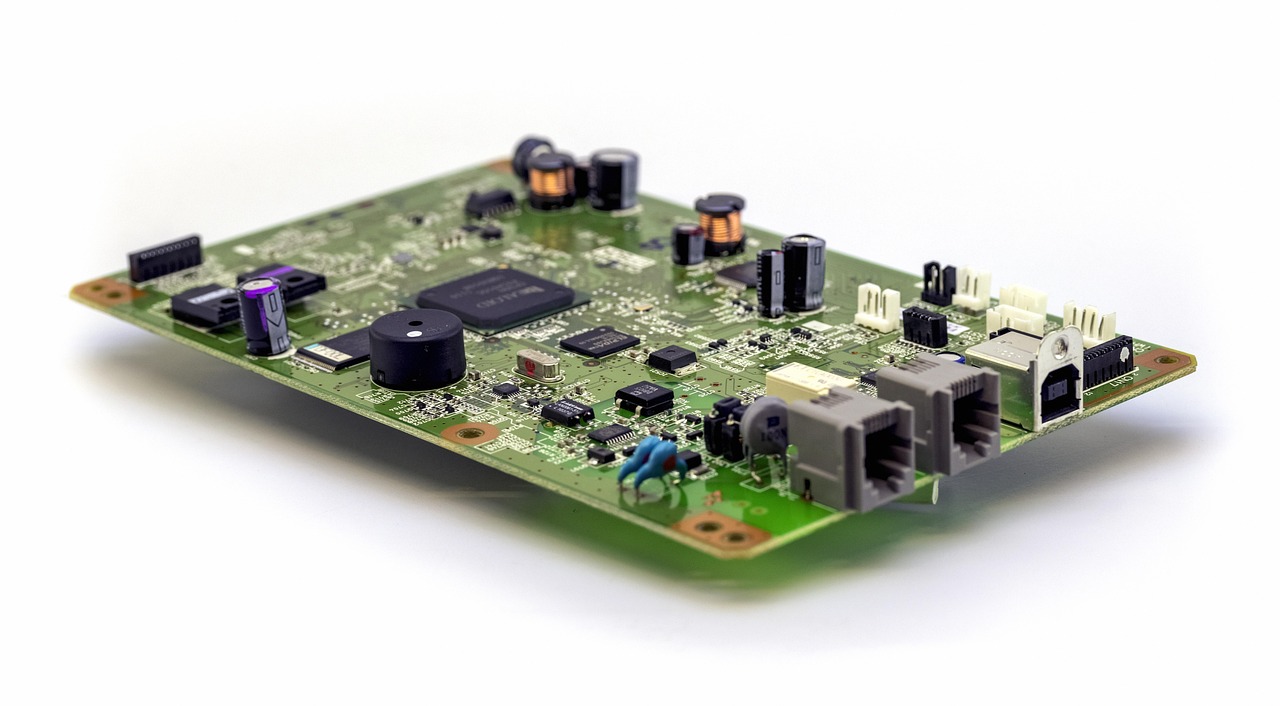
The first half of 2026 will be remembered as one of the most extraordinary periods for the semiconductor industry. Investors have placed massive bets on companies manufacturing the hardware that enables the artificial intelligence revolution, generating returns that would normally take decades to materialize.
According to data analysis by the London Stock Exchange Group published by The Guardian, memory chip and semiconductor manufacturers have seen their stock values triple—or more—since the beginning of the year, pushing Asia Pacific stock markets to record levels.
The Kospi index (South Korea's main stock exchange) has accumulated a 125% gain so far in 2026, recording its best first half since at least 1990.
SK Hynix: +310% in 2026
Samsung: +183% in 2026
Both companies reported strong demand for AI data center chips.
American digital storage and chip companies also experienced extraordinary gains in the first half.
Sandisk: +780% in 2026 (+4,510% in 12 months)
Micron: +296% in 2026
Western Digital: +240% in 2026
Seagate: +226% in 2026
Dan Coatsworth, head of markets at investment platform AJ Bell, explained that chip companies have produced "the kind of gains in six months that you'd normally expect over decades." The formula is simple: demand exceeding limited supply has triggered an explosive rise in memory chip prices.
"Higher selling prices and increased demand is a powerful cocktail for explosive earnings growth."
The real impact of this chip shortage has even affected consumer products. Last week, Apple blamed rising memory chip costs for price increases on iPads and MacBooks. According to reports, the company is seeking approval from the Trump administration to purchase memory chips from CXMT, a Chinese company blacklisted by the Pentagon.
A notable phenomenon in 2026 has been capital shifting from software companies to hardware manufacturers. The so-called "hyperscalers"—large tech companies deploying AI services—have seen their stocks fall in recent weeks.
Microsoft, for example, has fallen 24% during 2026 and hit a one-year low last week. Investors have questioned the massive spending plans announced by leading AI companies, which imply higher debt and cash flow consumption.
Chris Beauchamp, chief market analyst at platform IG, notes that "having bet on AI and tech since late March, there's a desire to protect profits, and investors continue in the mood to sell first and ask questions later."
Mark Haefele, Chief Investment Officer at UBS Global Wealth Management, projects that the US market will continue rising over the next year, taking the S&P 500 to 8,200 points by June 2027.
His base scenario includes: "continued strength in AI capital spending, a resilient US economy, sustained fiscal spending worldwide, and strong credit creation that will continue supporting corporate earnings growth and markets in general." However, recent signals suggest the chip stock boom may be slowing, with investors rotating toward other sectors.
Memory chips are essential components in data centers that process artificial intelligence. They temporarily store information that processors need to execute complex calculations. Companies like Samsung, SK Hynix, Micron, and Western Digital are world leaders in their manufacturing. The explosion of generative AI (like ChatGPT, Claude, etc.) has driven demand for these components, creating a shortage that has raised prices and manufacturer profits.
Source: The Guardian with data from London Stock Exchange Group

Alfredo S. Quiroga
