


01/07/2026 10:29 - Internacionales
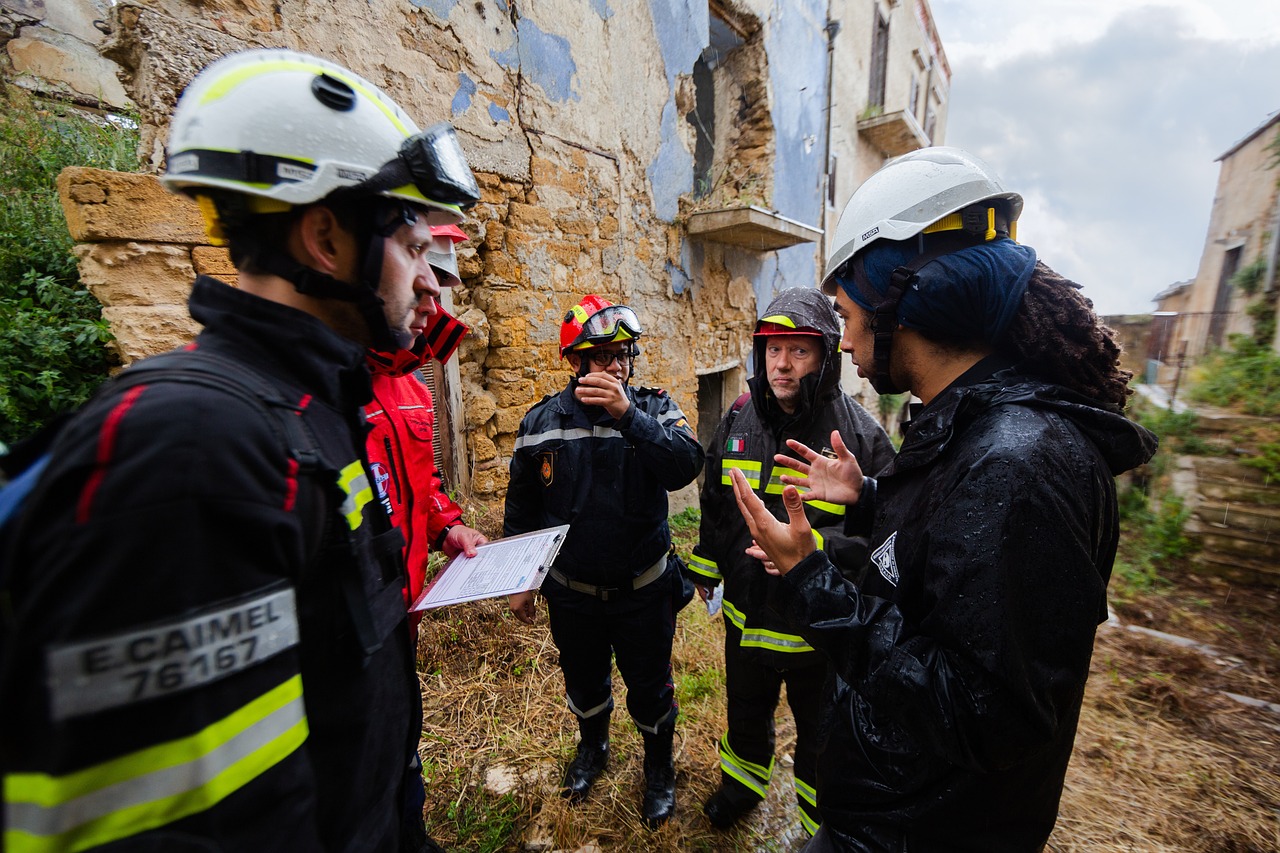
Venezuela is facing decisive hours following the devastating double earthquake on June 24, 2026. With magnitudes of 7.2 and 7.5, the quakes have resulted in at least 1,719 confirmed deaths, over 5,000 injured, and between 50,000 and 70,000 people missing according to updated reports.
With humanitarian support from more than 27 countries, international teams are working tirelessly in the hardest hit areas, particularly in La Guaira state (north of Caracas), where satellite estimates from NASA indicate 774 damaged buildings.
The primary survival window
Specialists agree that the first 72 hours are the most crucial for finding people alive under rubble. However, this is not an absolute limit.
"It is true that after 72 hours it is more complicated to find people alive, but it is also true that yesterday people were found who had been under rubble for 96 hours," stated Raquel Bernedo, Emergency Technician for the Spanish Red Cross.
What influences the chances of survival?
| Rescue Case | Time Trapped | Rescue Team |
|---|---|---|
| 3-year-old boy (Klieber Morán) | Nearly 140 hours | Jordanian Team |
| Father and son | 4 days (96 hours) | France/USA Team |
| 18-day-old baby and mother | 32 hours | Local Rescuers |
| 60-year-old woman | 86 hours | International Team |
An additional obstacle for rescuers is the seismic aftershocks (smaller quakes following the main one), which can cause new collapses or destabilize already damaged structures. This forces extreme safety measures and often slows down search and rescue tasks.
Jarone Lee, an associate professor at Harvard Medical School, explained to The New York Times: "The chances of finding survivors in a collapsed building after five to seven days are slim, but not impossible."
More than 3,300 rescuers from 27 countries are working in the zone, including 26 Argentine military personnel. Argentina has also sent medical reinforcements and structural engineers. UNICEF sent 47 tons of supplies, and the USA donated 300 million dollars in humanitarian aid.

Alfredo S. Quiroga
