


03/07/2026 03:56 - Entretenimiento
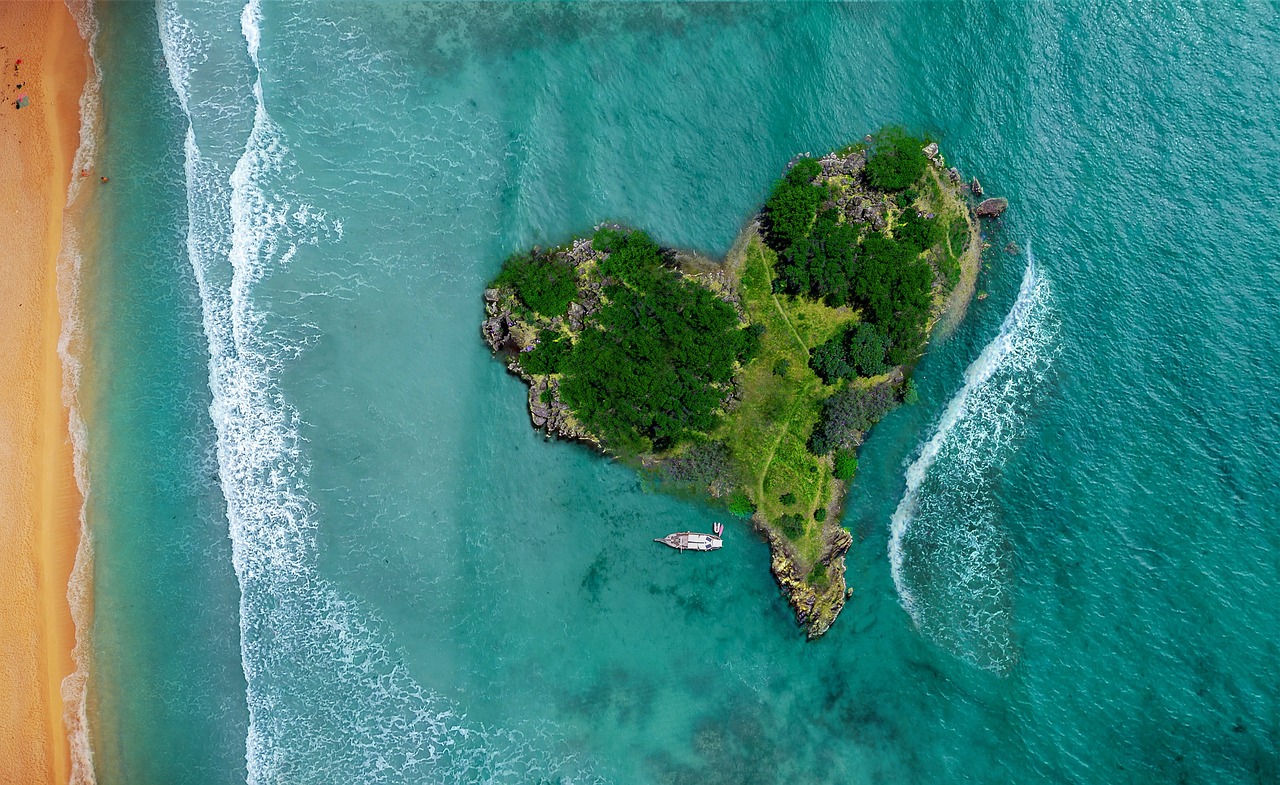
Located about 500 kilometers off the coast of Senegal, Cape Verde is an island country made up of an archipelago of ten main islands (nine inhabited) of volcanic origin. With a population of just over half a million inhabitants and its capital in Praia, this former Portuguese colony, which gained independence in 1975, has gained notable international visibility due to its political stability.
In the sports arena, specialized media reported that the Cape Verde national team, known as the Blue Sharks, became the big surprise of the 2026 World Cup. They qualified second in Group H with 3 points, the result of three draws, eliminating Uruguay and becoming the smallest country to reach the knockout stage in the 96-year history of the World Cup. It is projected that they will face the Argentine National Team in the Round of 16 on Friday, July 3, 2026, at 19:00.
Before football put Cape Verde in the global spotlight, the cultural passport of this archipelago had a name: Cesaria Evora. Born on August 27, 1941 in Mindelo, a port city on the island of Sao Vicente, her deep, unadorned voice transformed the music of a small country into a global phenomenon.
Known as The Barefoot Diva, Cesaria sang barefoot on the world's most prestigious stages as a tribute to the poor in her country and as a protest against inequality. For centuries, the Portuguese colonial administration prohibited those who could not afford shoes from walking on the sidewalk; decades later, she defied that memory with her bare feet at every performance.
The morna is the national musical genre of Cape Verde, declared Intangible Cultural Heritage of Humanity by UNESCO in 2019. With a slow tempo and melancholic lyrics, it is a sister to Portuguese fado and Argentine tango. On the other hand, the coladeira has a more festive and satirical character. Cesaria mastered both genres perfectly.
A central concept to understanding her music is sodade, a term in Cape Verdean Creole that goes beyond simple nostalgia. It represents a deep sense of emptiness linked to the experience of a country that expels its people: approximately half of the Cape Verdean population lives outside the country. The morna is the vehicle for this feeling, speaking of departures, letters traveling by sea, and mothers saying goodbye to their children at the port.
Her career did not follow the usual pattern. She began singing in bars in Mindelo at 16, but went through a crisis after Cape Verde's independence in 1975, stopping singing for a decade. The turning point came in 1987, when producer José da Silva heard her in Lisbon. At 47, she traveled to Paris to record her first international album, La Diva aux Pieds Nus (1988). The definitive breakthrough would come with Miss Perfumado in 1992, which sold 300,000 copies and included Sodade, her signature song.
Cesaria Evora won a Grammy in 2004 for Voz d'amor and was recognized with the French Legion of Honor in 2009. She passed away on December 17, 2011, at the age of 70, but her music continues to unite Cape Verdeans worldwide. Today, while their national team makes history in the World Cup, her voice remains the anthem of a nation that has always known how to overcome adversity.
Sources: Infobae, TyC Sports, TN. #mundial-2026

Alfredo S. Quiroga
