11/07/2026 22:24 - Actualidad
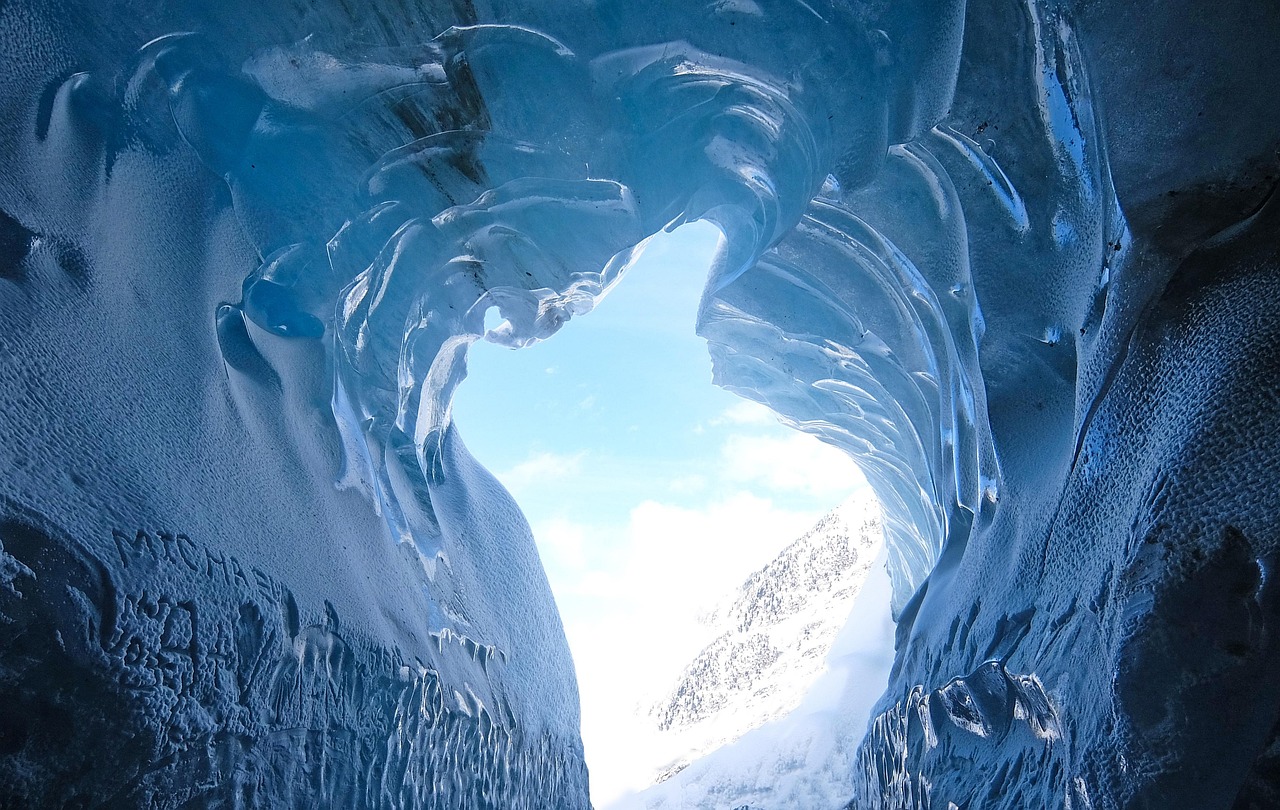
Date of discovery: July 11, 2026.
An international team of scientists has achieved what seemed impossible: mapping a vast accumulation of freshwater beneath kilometers of ice, a subterranean structure so extensive that it rivals the surface area of a medium-sized country. Far from being a simple isolated lake, it is an interconnected system of pores, crevices, and invisible lagoons that breathes with the slow rhythm of the polar ice.
This reserve acts as a regulator of glacial flow, lubricating its base and accelerating or slowing its advance. Small pressure variations in this subglacial aquifer can translate into changes in the grounding line or drainage pulses that end up in the ocean. As one of the geophysicists on the project summarized: What we see is not an inert block, but a colossal sponge that exchanges water and energy with its environment.
For climate science, this map offers a missing link. A glaciologist on the study stated: Without the water, ice models are deaf; with it, they begin to hear reality.
Tracing this map was a monumental challenge that combined three key technologies:
The data was integrated into inverse models and calibrated with selective drilling and water isotopes. This triangulation allowed researchers to estimate the saturated thickness, its average porosity, and the hydraulic connectivity over tens of kilometers.
The reserve lies beneath an ancient ice sheet, in a sedimentary basin that acted as a geological trap for millennia. Its supply comes from several sources:
This mixture sustains a slow circuit, where water can take years or even centuries to move from the interior to the glacial edge.
When subglacial water meets the sea, it discharges nutrients that stimulate polar ecosystems and modify coastal stratification. Furthermore, the saturated sediments preserve signals of ancient climates, acting as a wet archive capable of telling us how icy continents breathe when the planet changes.
In a thirsty world, the temptation to extract this water exists, but specialists warn that any intervention could destabilize the ice, release trapped carbon, and disturb unique microbiomes. For now, the primary value is scientific: understanding to predict, not to exploit.
The next steps include campaigns with autonomous sensors, terrestrial drones, and robotic platforms to measure pressure in real-time. Additionally, the microscopic life of the aquifer is being investigated, such as iron-breathing bacteria and extremophile archaea, which could inspire new clean biotechnologies.
Original article source (Argentine media): Hablando Claro

Alfredo S. Quiroga