


13/07/2026 15:50 - Economia
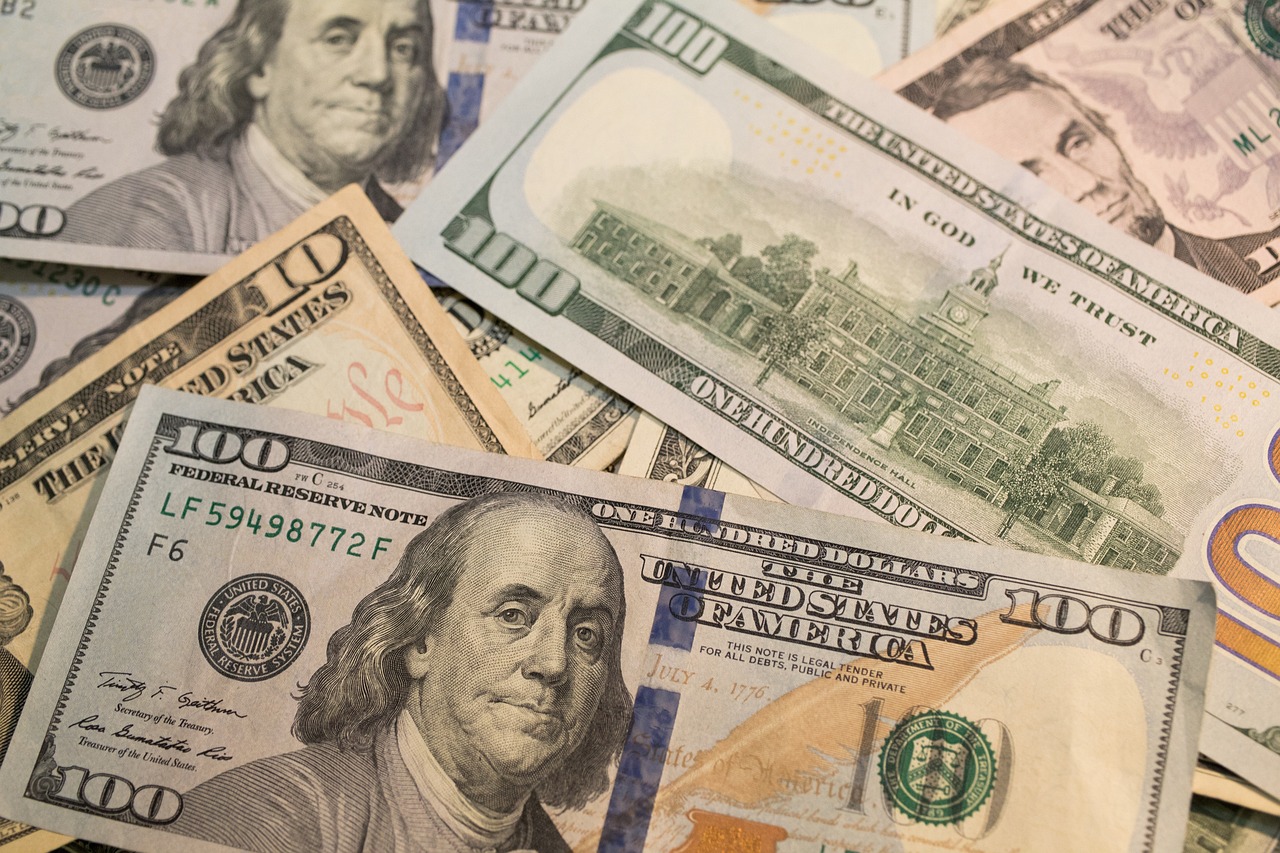
On July 13, 2026, the Argentine foreign exchange market showed moderate movements. The official dollar closed slightly lower, while the blue dollar (the informal rate used by tourists and locals avoiding capital controls) experienced an increase, keeping the gap under control thanks to Central Bank measures.
| Dollar Type | Buy | Sell |
|---|---|---|
| Official (Banco Nación)* | $ 1,455 | $ 1,505 |
| Blue (Buenos Aires)** | $ 1,520 | |
| Blue (Córdoba) | $ 1,504 | $ 1,536 |
| MEP / Stock Exchange*** | $ 1,523.44 | |
| CCL (Contado con Liquidación)**** | $ 1,573.02 | |
| Crypto | $ 1,574.64 | |
* Banco Nación is Argentina's largest state-owned bank. ** Blue dollar is the informal street rate. *** MEP is a financial rate to buy dollars locally. **** CCL allows transferring funds abroad legally.
The Central Bank of Argentina (BCRA) continues its strategy to anchor the dollar price around $1,500. According to financial analysts cited in the media, this stability, combined with expectations of lower inflation going forward, reopens a window for the so-called 'carry trade', a financial operation that takes advantage of the difference between interest rates and the exchange rate.
On the external front, investor optimism was reflected in a new rise of dollar-denominated bonds, bringing the country risk (the premium investors demand over US Treasuries) down to 404 points. This positive scenario follows the payment of US$ 2.5 billion to holders of Argentine debt under foreign legislation and the presentation of the government's financial program for 2026 and 2027.
Furthermore, the recent visit of IMF officials to the country, which included a curious pause to watch the Argentina National Team match in Rosario, reflected the organization's interest in understanding the export sector. This sector is key to accumulating reserves that will strengthen the national economy.

Alfredo S. Quiroga
