


21/07/2026 10:26 - Internacionales
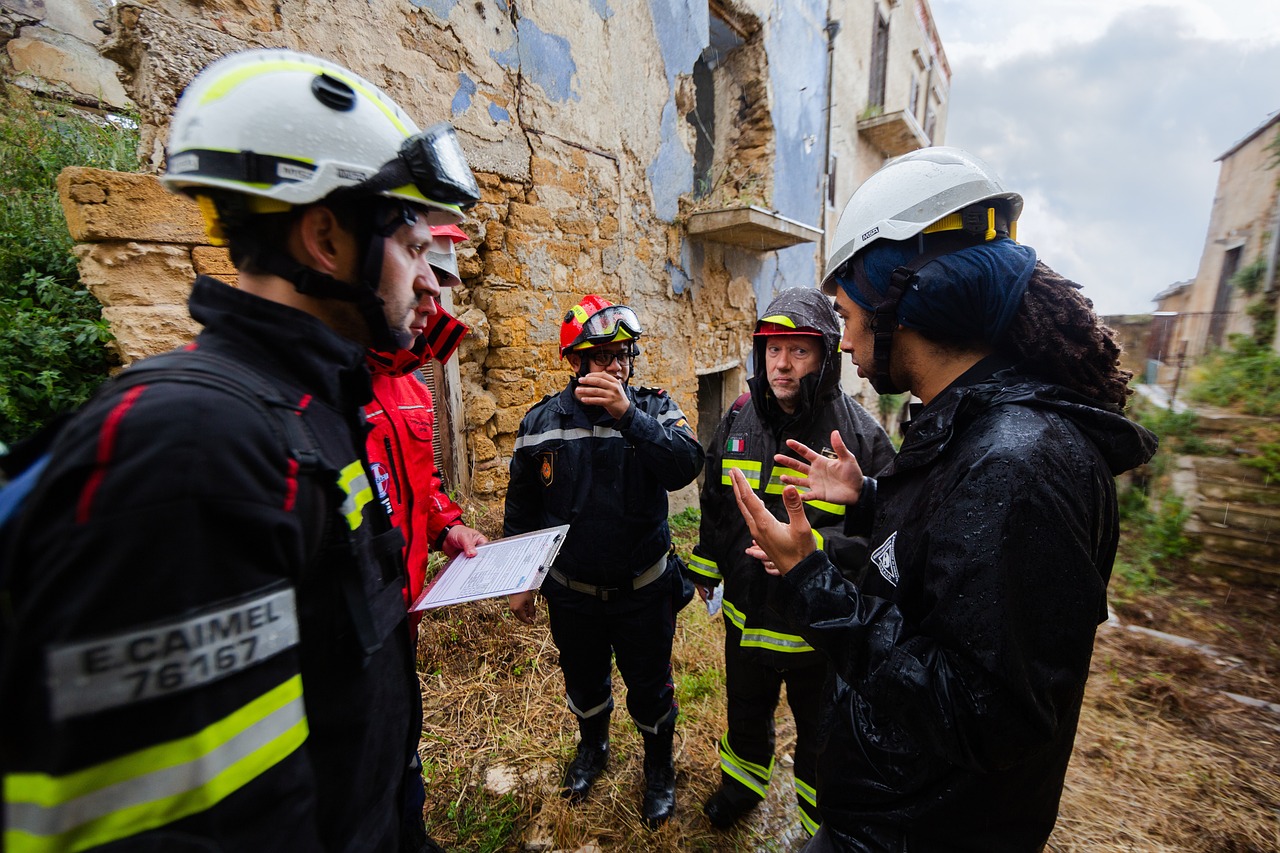
On June 24, 2026, Venezuela faced one of the worst natural tragedies in its recent history. A double earthquake, with magnitudes of 7.2 and 7.5 on the Richter scale, shook the north of the country with only 39 seconds of difference. The epicenter was located in the coastal state of La Guaira (the main port region just north of the capital, Caracas), affecting Caracas itself and neighboring states like Miranda, Aragua, and Carabobo.
Almost a month later, on July 21, 2026, media outlets such as Infobae reported an official and heartbreaking toll of 5,278 fatalities, with 16,740 injured and 6,462 people rescued alive. Although the pain is immense, the humanitarian response has been a beacon of hope.
The disaster left damage to more than 856 buildings, of which 190 completely collapsed. The United Nations (UN) estimated that direct physical losses amount to 37 billion dollars. Currently, 23,587 people are sheltered in 107 temporary camps, receiving medical assistance and food.
To this, we must add more than 1,388 seismic aftershocks recorded by Funvisis (the Venezuelan Foundation for Seismological Investigations, the country's leading geological agency), which keep tensions high but do not stop the rescue and recovery teams.
| Fatalities | 5,278 |
| Injured | 16,740 |
| Rescued Alive | 6,462 |
| Displaced in Camps | 23,587 |
| Collapsed Buildings | 190 |
| Affected Buildings | 856 |
| Medical Treatments | 39,935 |
Sources: Infobae, La Nacion, Cadena 3.
Given the magnitude of the disaster, the deployment of aid has been monumental. Operating on the ground are 2,278 international rescuers, supported by 30,989 Venezuelan personnel and an impressive army of 31,745 volunteers. The distribution of supplies has reached record figures: 35.6 million liters of drinking water and nearly 11,000 tons of food have been distributed in the affected areas, attending to almost 40,000 people in the healthcare system.
To finance the reconstruction, the acting president, Delcy Rodriguez, announced access to 346 million dollars from its own resources in the International Monetary Fund (IMF). This is a reserve tranche, meaning it does not generate new debt for the country. These funds will be allocated to housing, infrastructure, and essential public services.
Additionally, the government launched a housing plan that promises to deliver 4,000 homes before December 2026, with monthly allocations. By 2027, the goal exceeds 10,000 homes, including the recovery of unfinished buildings.
As rescue teams move to the phase of body recovery and rubble removal, the reconstruction phase has begun with 9,055 homes already in the process of being repaired. The government estimates that 25,000 homes will be necessary to relocate all affected families.
The political opposition has also joined the efforts. Primero Justicia (a major Venezuelan center-right political party) proposed a plan to apply the Japanese seismic management model in La Guaira. This includes recycling debris and soil micro-zoning, demonstrating that in the face of tragedy, unity is the first step toward recovery.

Alfredo S. Quiroga
