18/06/2026 21:23 - Economia
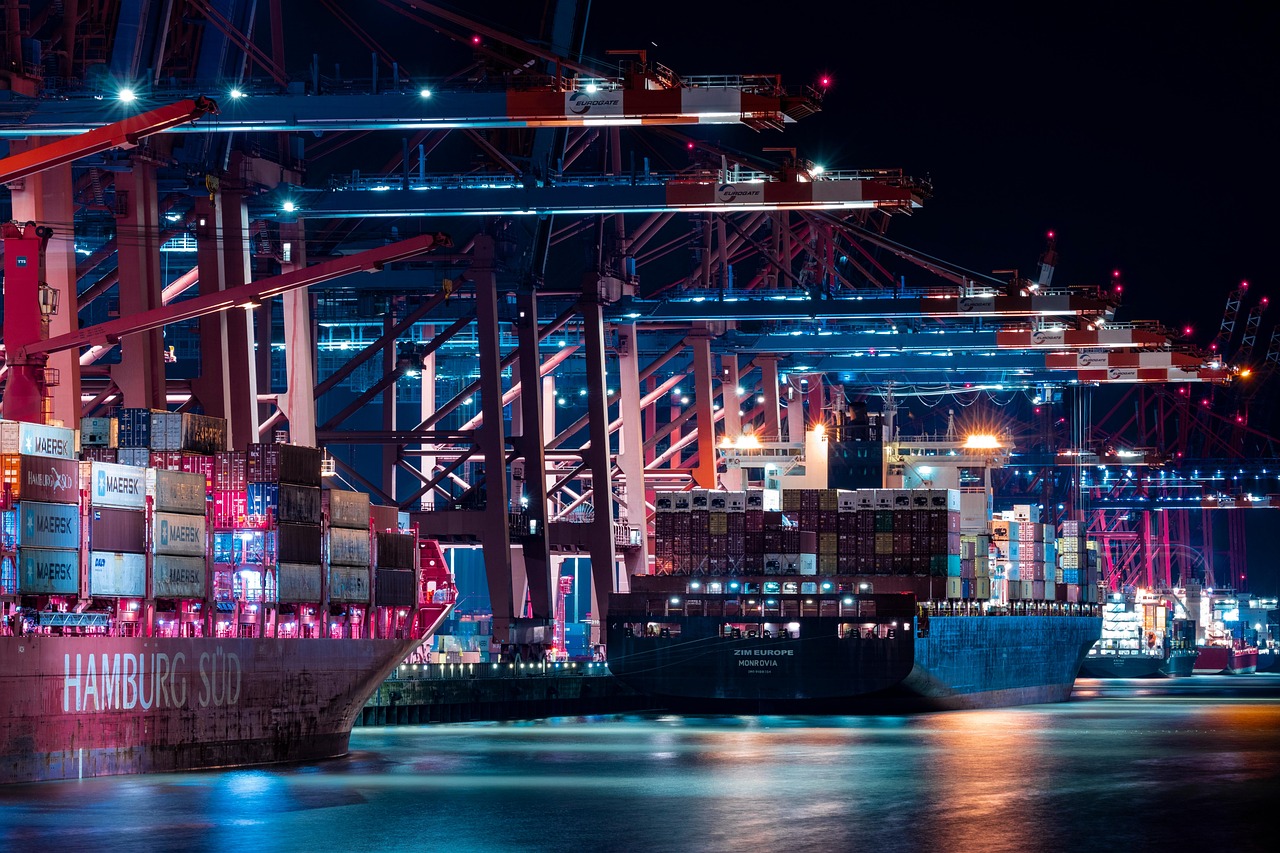
Un barco de carga navegando por un río con instalaciones portuarias y campos de cultivo en los costados.
The administration of President Javier Milei has finalized the award of the Hidrovía concession to the Belgian company Jan De Nul-Servimagnus. This marks a significant shift, ending state management of this crucial transport route. The Resolution 2026-36-APN-ANPYN#MEC confirms the company will operate the system for the next 25 years, assuming commercial risks without state backing.
The Hidrovía, or Trunk Navigable Waterway, is a massive 1,635-kilometer route connecting key inland ports with the Atlantic Ocean. It handles 80% of Argentina's exports, mainly grains and derivatives. Its efficiency is vital for the competitiveness of the country's main economic engine.
The process faced challenges. The CIARA-CEC chamber, representing the oil industry, sent a letter to Economy Minister Luis Caputo pressuring for a decision and requesting VAT exemptions for dredging companies, arguing the tax increases costs.
Furthermore, competitor DEME, which placed second, sent a letter to Caputo questioning the process. They offered an additional 17.4% discount on the maximum tariff, claiming it would save USD 2.5 billion over 25 years. They also cited their ties with the United States as a strategic advantage.
For international readers: Think of the Hidrovía as Argentina's 'Mississippi River' system. It is a network of navigable rivers allowing low-cost transport of goods. Argentina's Trunk Navigable Waterway is the main artery for exporting soy, corn, and wheat to the world.
Why does this matter? The privatization aims for efficiency and modernization. The government argues private management will bring investment and lower costs. Critics worry about sovereign control over a strategic resource and note the process was influenced by corporate and geopolitical pressures.
Next Steps: The contract signing is expected within 30 days. The State will remain as controller, but operation and maintenance will transfer to private hands.

Alfredo S. Quiroga