20/07/2026 16:18 - Internacionales
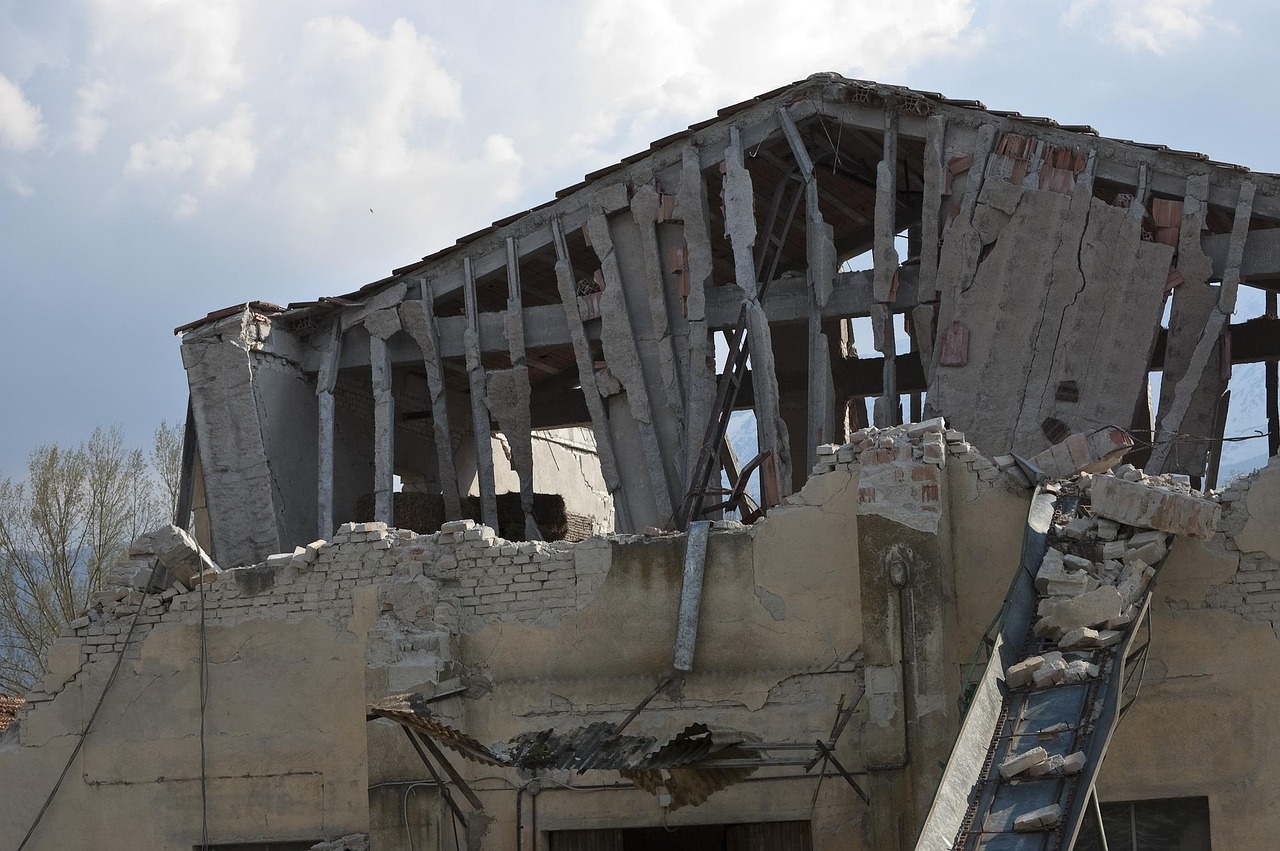
The northern coast of Venezuela, a South American nation bordered by the Caribbean Sea, continues its recovery process following the devastating seismic doublet of magnitudes 7.2 and 7.5 that shook the country on June 24, 2026. To put this into perspective for international readers, earthquakes above magnitude 7.0 are considered major events capable of causing widespread, severe damage. Despite the scale of this tragedy, the spirit of solidarity and the joint effort between authorities, international rescuers, and community volunteers are lighting the way toward a hopeful future.
According to the latest official report released on July 20, 2026 by lawmaker Jorge Rodriguez, the balance of the tragedy shows the magnitude of the challenge:
Humanitarian aid has been key to containing the crisis. Currently, 23,820 people are safely sheltered in 107 temporary camps with a capacity for 27,820 beds. The state of La Guaira, a coastal region adjacent to Venezuela's capital city, Caracas, concentrates the highest assistance with 12,474 displaced individuals.
In a monumental effort to rebuild the country, the government has started work on 9,055 homes that are currently in the repair process, restoring hope to thousands of families to get their houses back.
The rescue operation has gathered an unprecedented force. As reported by Cadena 3, the terrain features the deployment of 2,278 international rescuers, 30,989 Venezuelan personnel, and an impressive army of 31,745 volunteers working side by side. They have distributed 35.6 million liters of drinking water and 10,964 tons of food aid.
However, according to reports from media outlets like Infobae, there are challenges in communicating information to relatives. In the absence of centralized and complete official lists, dozens of family members are traveling through hospitals and morgues on their own to find their loved ones. This community effort demonstrates deep family love and highlights the need to improve institutional information channels to support those searching for the missing.
The United Nations (UN) estimates that direct physical damages amount to $37 billion, with 190 buildings collapsed and over 856 affected. Despite this scenario, the release of $346 million in reserves by the International Monetary Fund (IMF) for the emergency, combined with the united efforts of the community, projects a solid reconstruction filled with hope for the Venezuelan people.

Alfredo S. Quiroga