


22/07/2026 04:15 - Actualidad
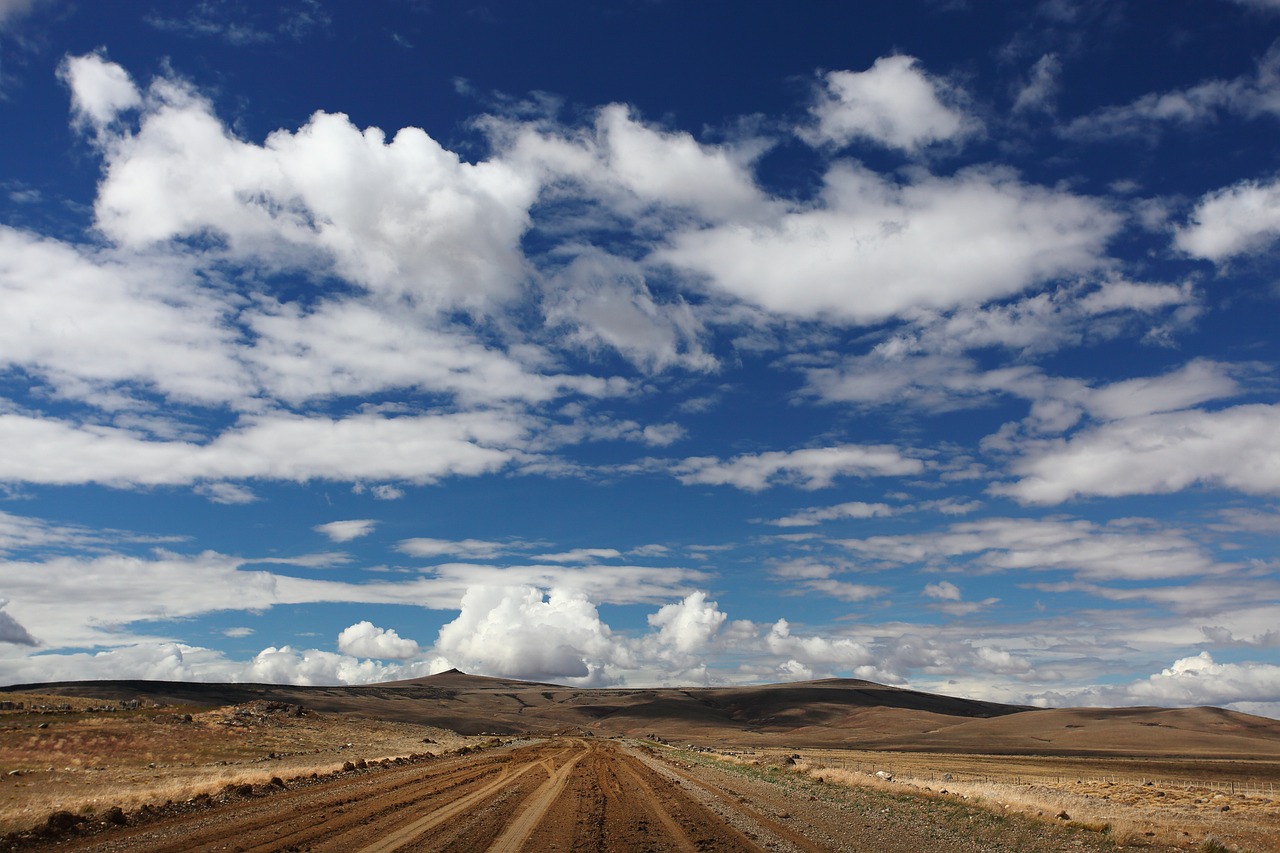
The province of Santa Cruz, located in the southernmost region of Argentine Patagonia, is going through an exceptional weather situation, considered the most intense and prolonged cold air episode of 2026. According to the Meteorological Report No. 041/2026 issued by the General Administration of Provincial Highways (AGVP), a low-pressure system would impact the Chilean coast between the night of July 22 and the early morning of July 23, generating light to moderate snowfall and a marked temperature drop.
The National Meteorological Service (SMN, by its Spanish acronym) updated its Early Warning System (SAT), raising several areas of the province to red level due to its high to extreme effect on health and very dangerous temperatures for the entire population:
Meanwhile, the orange level (moderate to high effect, with special risk for vulnerable groups) applies to: Deseado, Corpen Aike, Meseta de Lago Argentino, Meseta de Guer Aike, Costa de Guer Aike, and Magallanes.
For Wednesday, July 22, truly extreme thermal records are expected, which would require maximum care:
| Locality | Minimum Temperatures |
|---|---|
| Lago Posadas, Tres Lagos, El Calafate | Between -20°C and -15°C |
| Perito Moreno, El Chaltén, 28 de Noviembre, Gobernador Gregores | Between -15°C and -10°C |
| Las Heras, Pico Truncado, Río Gallegos | Between -10°C and -5°C |
| Cañadón Seco, Fitz Roy, Puerto Deseado, Puerto San Julián, Puerto Santa Cruz | Between -5°C and -2°C |
Roberto Antipa, Head of the Río Gallegos District of the Provincial Highway Department (Vialidad), confirmed that at this moment all roads are passable with caution. Highway maintenance teams are continuously clearing the roadways and distributing salt, especially during the hours of highest solar radiation to facilitate thawing.
Antipa highlighted a curious natural phenomenon: "When we distribute the salt, that salty little layer remains, and it draws a lot of attention from the guanacos, who drink the salty water left on the road." Guanacos are native South American camelids, closely related to llamas. For this reason, he requested extreme caution not only because of the ice but also due to the presence of these native animals on the road.
Key Recommendations:
For emergencies, the Highway Department line 0800-222-6272 and Civil Protection line 103 are available.
According to the SMN forecast, the capital of Santa Cruz would have a stable day on July 22, with no chance of precipitation and partly cloudy skies for most of the day. Temperatures would remain below zero, ranging between -4°C in the early morning and -6°C in the morning, with west and southwest winds between 13 and 22 km/h.
By Friday, July 24, the entry of a warmer air mass from the northeast is expected, which would allow a gradual recovery of temperatures and lead to rainfall, more markedly along the Atlantic coast.

Alfredo S. Quiroga
