


22/07/2026 03:55 - Politica
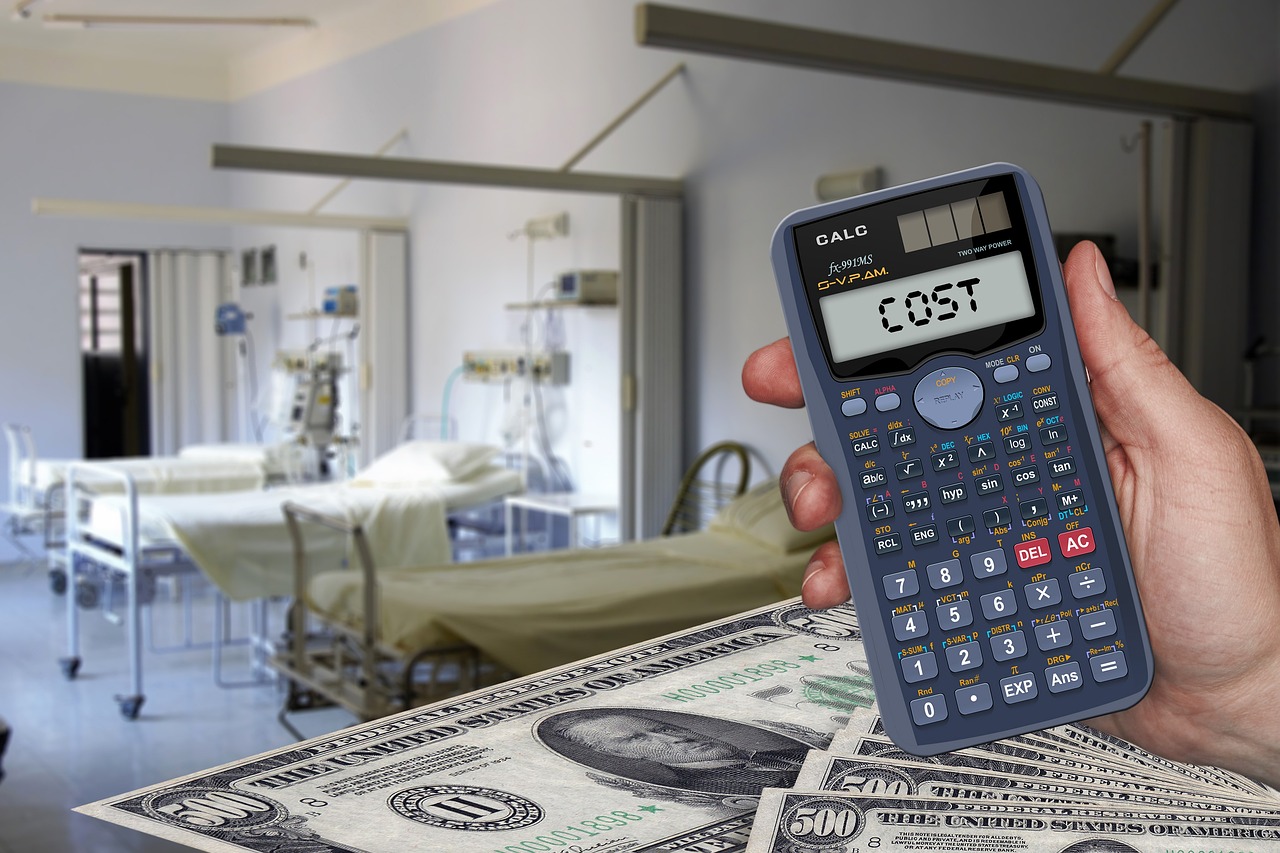
On July 21, 2026, a coalition of 19 legislators from La Libertad Avanza (the libertarian party currently governing Argentina) and the PRO party (a center-right political force) presented a bill in the Buenos Aires provincial Chamber of Deputies. This proposal seeks to establish a fee system (known locally as 'arancelamiento') for healthcare services in provincial public hospitals and for undergraduate studies at provincial state-run universities. The measure would apply specifically to foreign nationals who cannot prove permanent residency in the country.
The initiative was spearheaded by libertarian deputy Agustín Romo, alongside Nahuel Sotelo, Juan Osaba, Geraldine Calvella, Gastón Abonjo, and PRO legislator Alejandro Rabinovich. The bill aligns its definitions of migratory categories with Argentina's National Migration Law No. 25.871.
For a foreigner visiting or temporarily residing in Buenos Aires Province, accessing scheduled medical care would require having private health insurance, a third-party guarantor, or paying the fee upfront. However, the bill preserves the human right to emergency care.
The bill proposes that provincial state universities charge tuition fees to foreign students lacking permanent residency. Each university's governing body would set the exact amounts.
If approved, the provincial Executive Branch would have 90 days to draft the specific regulations, and municipalities with public hospitals would be invited to join the system.
The bill entered the parliamentary agenda just days after Argentina suffered a defeat against Spain in the 2026 World Cup final on July 19, 2026. The match triggered a wave of heated discussions on social media. Deputy Romo utilized his social media accounts to argue that Argentine taxpayers 'should not keep paying for the healthcare and education of foreigners who insult us.' Deputy Osaba framed the proposal more technically, stating it 'aims to organize and optimize the use of public resources.'
Sources: Infobae, La Nación, El Día, La Política Online.

Alfredo S. Quiroga
