19/06/2026 03:20 - Economia
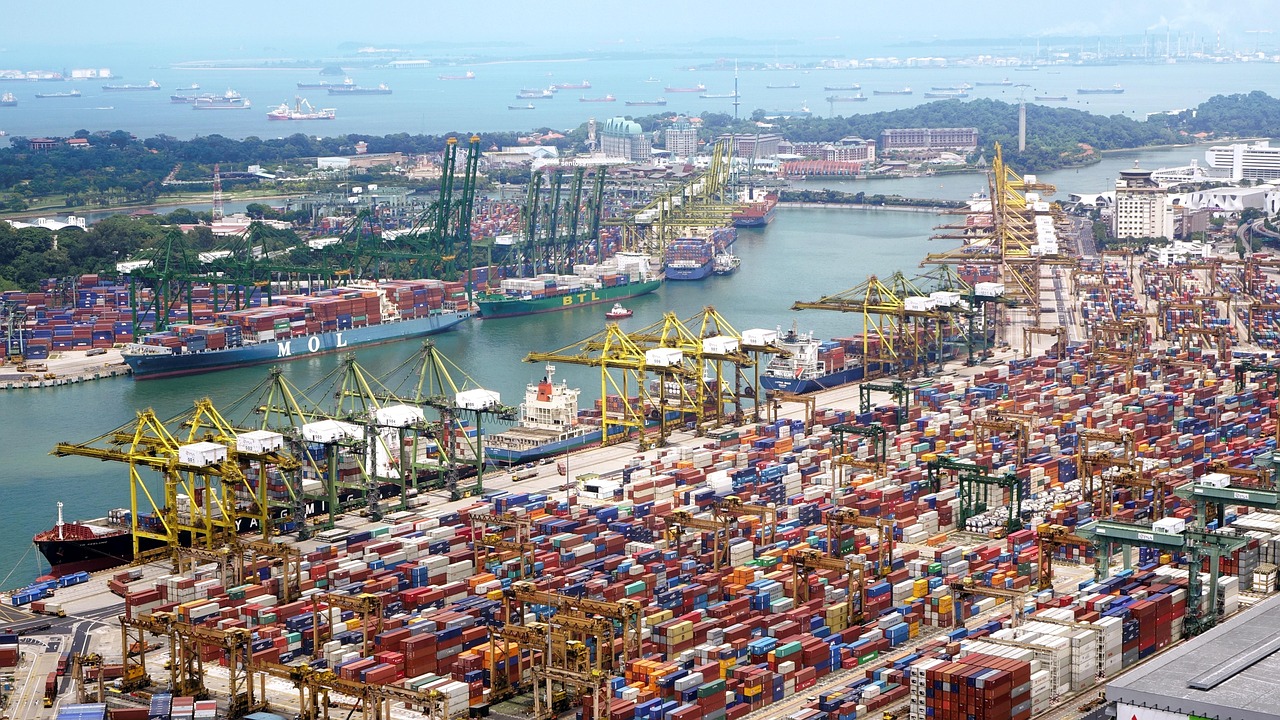
Vista aérea nocturna de una importante vía fluvil con barcos comerciales, barcazas y contenedores, iluminación portuaria industrial en ambas orillas
Argentina's Ministry of Economy has officially announced the definitive award of the Vía Navegable Troncal (VNT) concession to the Jan De Nul-Servimagnus consortium, marking a significant milestone in the libertarian administration's push to transfer strategic infrastructure to private hands.
The resolution 2026-36-APN-ANPYN#MEC signed on June 18, 2026 sealed the end of state management of the Paraná-Paraguay Waterway, through which approximately 80% of Argentine exports flow. The contract, to be signed within 30 days, extends for 25 years.
The Vía Navegable Troncal (Trunk Waterway) stretches 1,635 kilometers from the Deep Natural Waters Zone in the outer Río de la Plata to the Confluence with the Paraguay River. Think of it as Argentina's maritime highway to the world—similar to how the Mississippi River serves the United States.
The 30 ports of Greater Rosario (between Villa Constitución and Timbúes) constituted in 2025 the world's leading agro-export port complex, shipping nearly 76 million tons of grains, oils, and derivatives. For context: this is the region that feeds much of the world.
| Section | Current Depth | Projected Depth |
|---|---|---|
| Deep Waters Zone - Timbúes | 34 feet | 42 feet |
| Timbúes - Santa Fe | Variable | 32 feet |
| Santa Fe - Confluence | 10 feet | 15 feet |
Source: Ministry of Economy of Argentina
The decision raised eyebrows in the industry. The competing Belgian company Deme NV had offered a 17.4% discount on tariffs compared to the base tender document, while Jan De Nul offered exactly the minimum established rates. However, the difference was decided in the technical evaluation.
The Ministry of Economy emphasized that the process was audited by the United Nations Conference on Trade and Development (UNCTAD), which verified compliance with "international best practices" at every stage.
The process received backing from multiple private sector entities:
These entities valued "the strict criteria of public transparency" and highlighted that no challenges were filed by participating companies.
According to an analysis by the Institute of Economic Research (IERAL) of the Mediterranean Foundation, the true potential of the Waterway lies upstream from Confluence, toward the Alto Paraná. There, river depth (7 to 10 feet) and the lack of navigation beacons make nighttime navigation difficult.
Argentina's National Cabotage Law (Law 19.492 of 1944) reserves transport between Argentine ports for Argentine-flagged vessels with Argentine crews—similar to the U.S. Jones Act. This increases costs: more than 90% of cargo transport in the NEA region travels by truck.
A convoy of 20 barges equals approximately 1,000 trucks, with significantly lower fuel consumption. According to the Permanent Transport Commission of the Río de la Plata Basin, one ton of fuel can transport one ton of cargo for nearly 1,000 km by barge versus just over 240 km by truck.
Paraguay, despite facing similar draft limitations, developed the world's third-largest merchant fleet (surpassed only by the United States and China), with 3,850 vessels and 55 river ports. The keys: a "10-10-10" regime (10% income tax, 10% VAT, 10% social security contributions), labor flexibility, and tariff exemptions for capital goods.
Jan De Nul reported average annual revenues of USD 626.4 million, 10.31% higher than the USD 567.8 million projected in the reference model. Total revenues by the end of the concession are estimated at USD 15.66 billion.
The contract establishes a minimum 6% profit on collected tolls and provides for permanent oversight of investments and service quality. The company assumes commercial risks without state backing.
Sources: Ministry of Economy of Argentina, Infobae, Infocampo, IERAL-Mediterranean Foundation.

Alfredo S. Quiroga