19/06/2026 06:18 - Actualidad
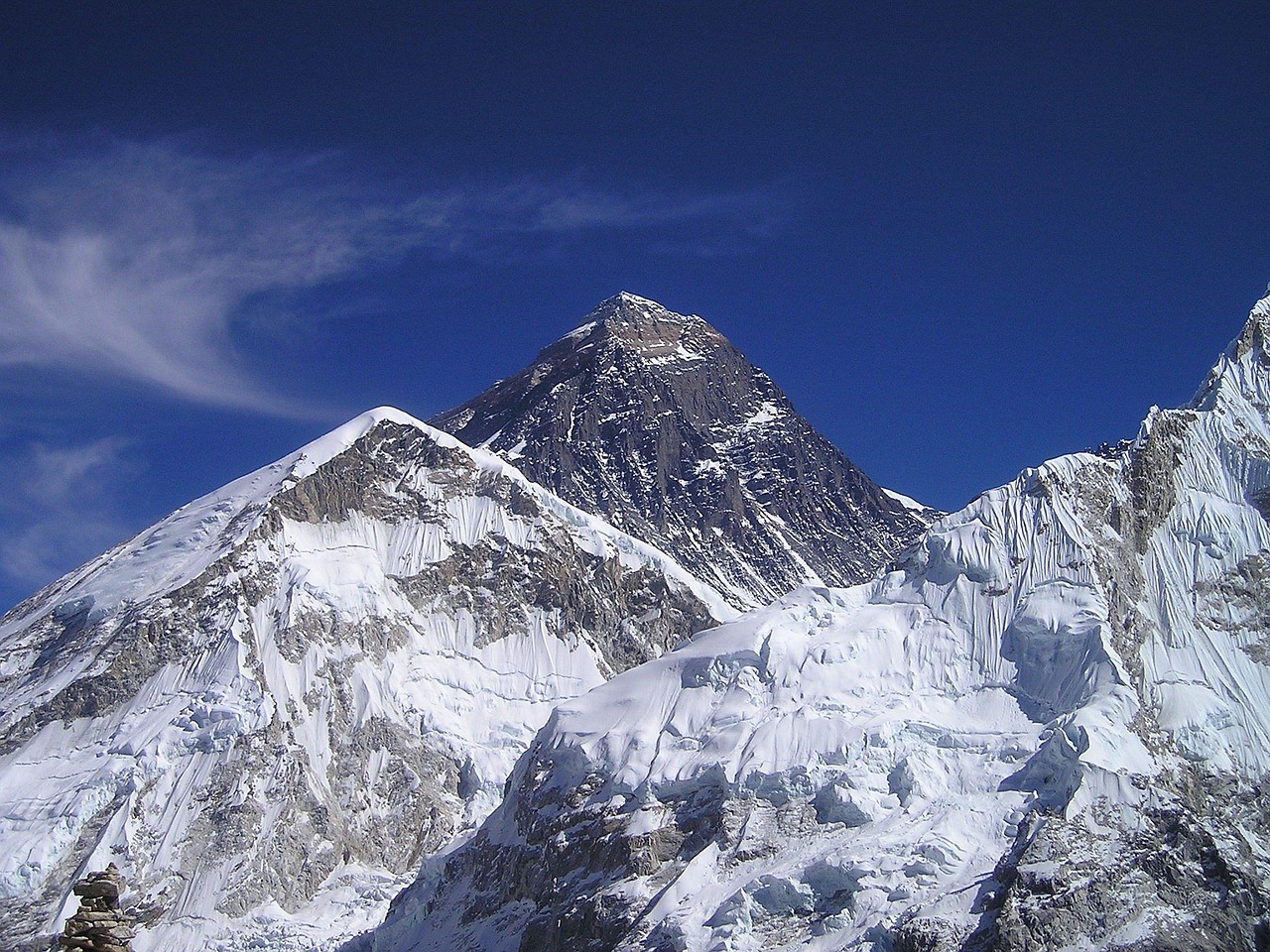
Escaladores con equipos de alta montaña formando una fila en la cumbre nevada del Monte Everest bajo un cielo azul intenso, con visibilidad de otras cumbres del Himalaya al fondo
The spring 2026 season on Mount Everest closed with historic figures reflecting both the unstoppable allure of the world's highest mountain and the growing dangers of its overcrowding. 1,008 people reached the summit in a season marked by records, millions in revenue for Nepal, and tragedies that reignite the debate about the limits of commercial climbing.
On May 20, 2026, an absolute record was set: 274 climbers stepped onto the Everest summit in a single day via the Nepali side. The image of endless queues in the «death zone» went viral once again, with mountaineers waiting under extreme conditions to crown the 8,848 meters of the world's roof.
The crowds concentrated especially at the Hillary Step, a 12-meter near-vertical section that only allows one person to climb at a time. The wait can be deadly: every extra minute at that altitude consumes precious oxygen and exposes climbers to frostbite, edema, and extreme exhaustion.
Nepal's government increased the fee for foreigners:
USD 15,000
Previously: USD 11,000. Only the permit, not including logistics or insurance.
The death zone begins above 8,000 meters altitude. At this point, atmospheric pressure is so low that lungs can only inhale approximately one-third of the oxygen available at sea level. Without supplemental oxygen, severe symptoms can appear in just 30 minutes.
«We often hear that some foreign climber or sherpa has suddenly lost their mind at high altitude», explains Dr. Nima Namgyal Sherpa, a specialist in mountain emergency medicine. «They can become very agitated and irrational, sometimes releasing themselves from fixed ropes and, in many cases, falling into the void».
Purnima Shrestha, a climber who had already summited Everest five times, experienced a nightmare when her oxygen cylinder failed right at the summit. «At that moment I realized: it's not safe to stay here for another second», she told the BBC.
A local sherpa shared his dwindling oxygen supply during the descent, saving her life. «That day I only longed to live», Purnima recalls. Despite the risk, Everest's allure persists: «No matter how many times I go, once I'm deep in the death zone, I always wonder why I decided to return».
The season also saw extraordinary survival stories. Hillary Dawa Sherpa, an experienced guide, disappeared on June 4 at about 7,500 meters and was presumed dead. Six days later, he appeared crawling toward base camp.
His survival defies all logic: he fell into a crevasse, fed on biscuits, and drank water from melted ice. An avalanche filled the crevasse with snow, allowing him to escape. «I didn't think I would be alive», he stated. Teams dismantling the Ice Fall found him alive in a state of extreme exhaustion.
On May 22, legendary Nepali guide Kami Rita Sherpa reached the summit for the thirty-second time, establishing an absolute record for Everest ascents. However, even he calls for regulation:
«I hope the government limits the number of climbers and that only quality climbers are allowed access».
The record figures reignited criticism about Everest's saturation. Journalist and mountaineer Juan Manuel Sotillos is blunt in Diario Vasco: «NO in capital letters. It's absolutely not worth it».
Basque alpinist Edurne Pasaban, the first woman to complete all 14 eight-thousanders (peaks above 8,000 meters), expresses «indignation» seeing current queues: «Every May when I see those lines on Everest, I think how fortunate I was to experience other eras in the Himalayas».
Two Indian climbers who reached the summit died during descent. In total, five people lost their lives this season. More than 300 have died attempting to climb Everest since records began in the 1920s.
Nepal's Department of Tourism issued 494 permits and collected over 1 billion Nepali rupees, approximately USD 7 million, an unprecedented figure. Chinese citizens were the largest group (over 100 permits), followed by Americans, Indians, Britons, Russians, and Australians.
Pressure on the Nepali route increased due to Chinese restrictions on the Tibetan side, which displaced expeditions toward Nepal. The Iran-United States conflict also affected the country's general tourism, though not climbing demand.
Nepal is home to eight of the fourteen highest mountains in the world, known as «eight-thousanders» (peaks above 8,000 meters). Mountain tourism is a key source of foreign currency and employment for guides, porters, cooks, and local operators. The spring season (May) offers the best weather windows, with the monsoon approaching in June.
Queues in the death zone, preventable deaths, and extreme commercialization pose an ethical question the mountaineering community debates intensely: should there be stricter limits for accessing Everest? Or does the right to dream of the summit justify any risk?
For many, like Edurne Pasaban, the answer is clear: «I haven't missed anything there». For others, Everest will remain an irresistible call, even as the price grows ever higher.

Alfredo S. Quiroga