22/06/2026 10:39 - Economia
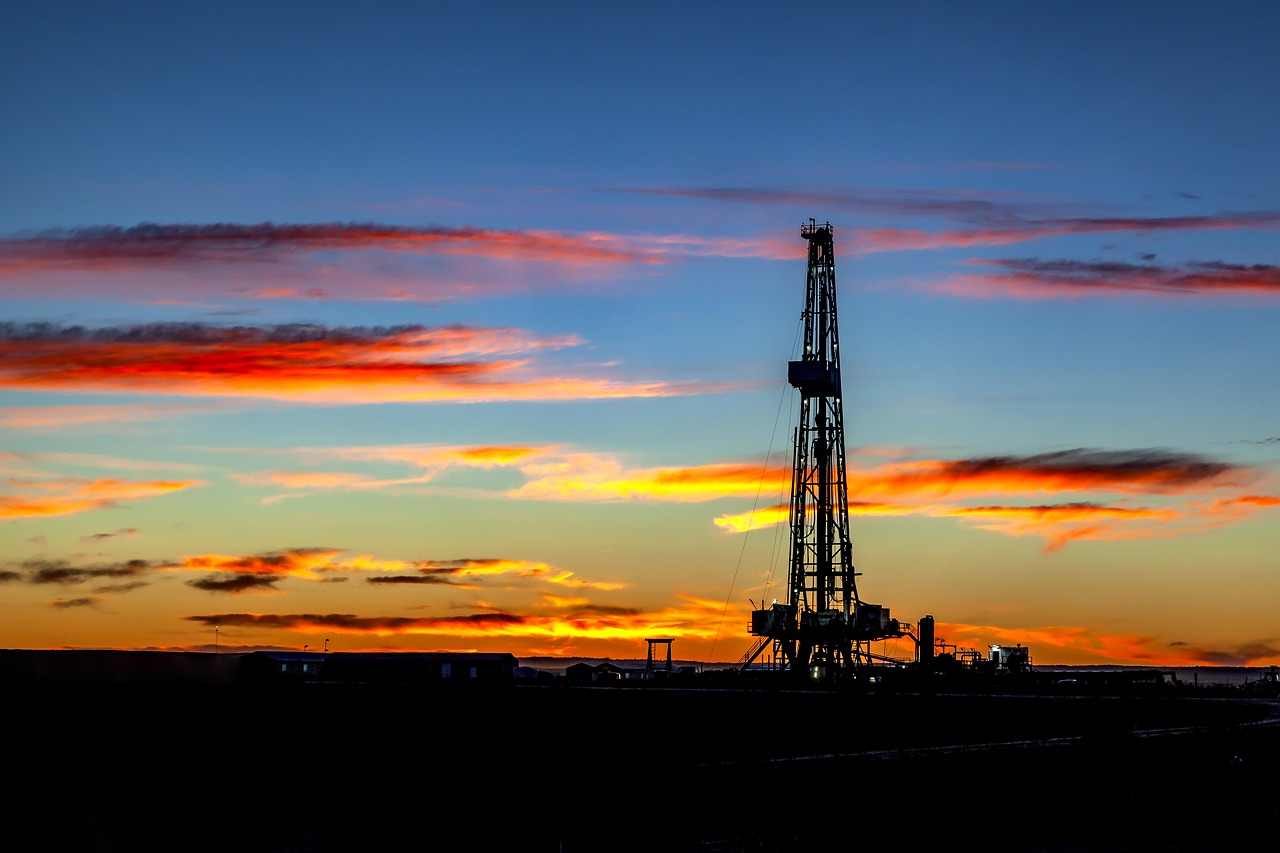
Plataforma petrolera moderna en campo desértico con tuberías y tanques de almacenamiento, cielo con nubes y sol bajo en el horizonte, ambiente industrial energético
The 14-point memorandum signed between the United States and Iran on June 17, 2026, in Switzerland, marks a turning point in global energy markets. The reopening of the Strait of Hormuz—a critical chokepoint for 20% of the world's oil—has eased international prices. But what does this mean for Argentina? For foreign investors watching South America, the answer lies in Vaca Muerta.
For our international readers, Vaca Muerta (Spanish for 'Dead Cow') is a massive geological formation located in Neuquén Province, in northern Patagonia, Argentina. It is one of the world's largest unconventional oil and gas reservoirs (shale).
Often compared to the Eagle Ford in Texas, this formation has transformed Argentina from an energy importer into a key exporter, reaching new markets like Australia via ports like Puerto Rosales.
Despite the price correction, analysts assure that the Brent benchmark will stay above $75 per barrel for the rest of 2026, a level much higher than 2025 and sufficient to guarantee the profitability of Vaca Muerta.
Consultancies like Economía & Energía estimate a theoretical loss of $1 billion in exports compared to a scenario of continued conflict, while Empiria places it at $1.8 billion. However, this is offset by a massive saving: Argentina will save $500 million in LNG (Liquefied Natural Gas) imports needed for the winter season.
| Indicator | 2026 Projection |
|---|---|
| Energy Exports | $11 Billion USD |
| Energy Trade Surplus | Nearly $9.7 Billion USD |
| Projected Brent Price | Above $75/barrel |
| Long-term Reference Price | $70/barrel |
The deal eases geopolitical pressure, likely stabilizing international interest rates. This is vital for Vaca Muerta, which requires significant foreign capital investment. Furthermore, access to cheaper GNL ensures domestic supply during the Southern Hemisphere's winter.
The conflict between Iran and the US began on February 28, 2026, resulting in over 3,700 casualties. The memorandum includes a ceasefire and a $300 billion reconstruction fund, mediated by Qatar and Pakistan.

Alfredo S. Quiroga