


24/06/2026 22:09 - Economia
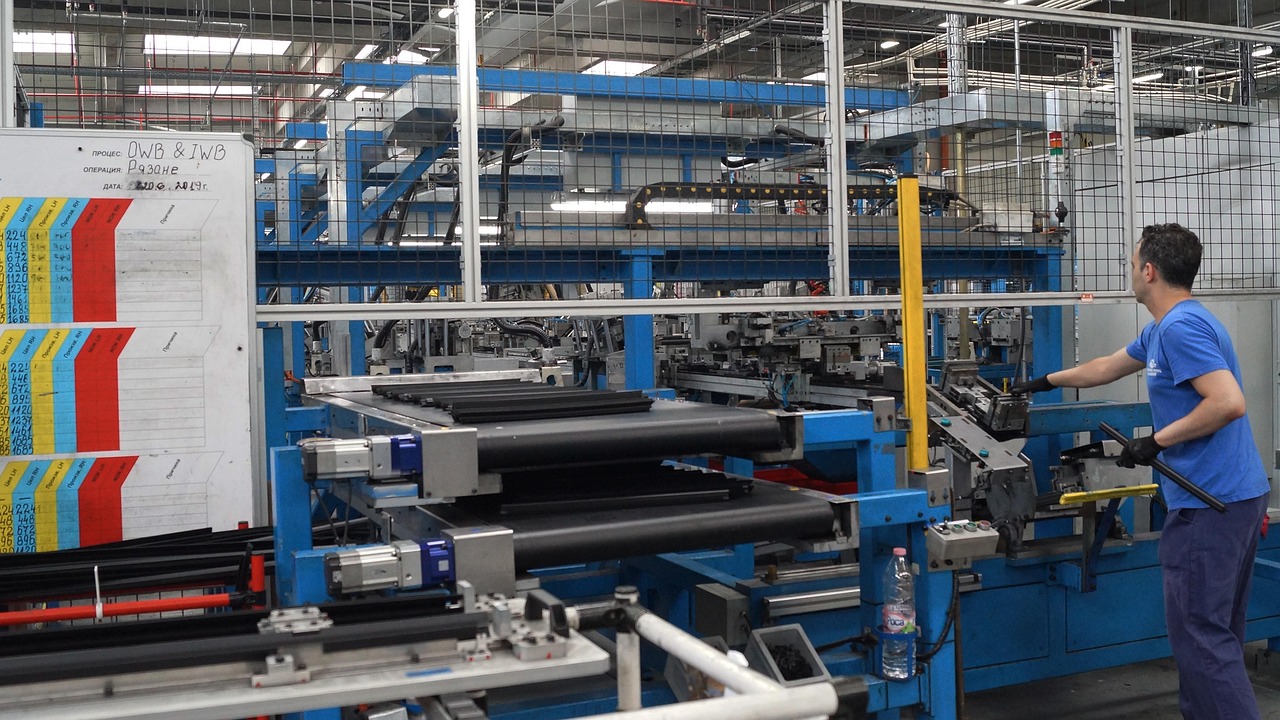
The Argentine auto parts industry is going through a critical situation that worsens month by month. According to the report by the Association of Argentine Component Factories (AFAC), sector activity accumulated an 8.9% drop in the first four months of 2026 compared to the same period in 2025, with a pronounced contraction of 14.7% in April compared to March.
The document reveals that all sector indicators show negative results: auto parts exports fell 9.2% year-over-year, while vehicle production registered an 18.6% decline in the first four months. Even fuel sales, a thermometer for the replacement market, fell 0.3% in the year-to-date.
The auto parts crisis unfolds within a difficult economic framework. According to INDEC (Argentina's National Institute of Statistics and Census) data from June 23, 2026, the Argentine economy grew only 0.7% in the first quarter of 2026, while investment fell 11.6% year-over-year, accumulating four quarters of decline. Unemployment stands at 7.8% and labor informality reached 44.2%.
The foreign exchange market also shows deceleration signals: the Central Bank (BCRA) reduced its daily USD purchases from 138 million (April-May) to 79 million (June), while the wholesale dollar rose 3.8% in June against an estimated 2% inflation.
Juan Cantarella, Executive Director of AFAC, explained the reasons for this crisis: "We see a continuity in the decline of activity and employment in the auto parts sector, both regarding the supply to terminals that reduced production, cancelled projects and strongly reduced local content; as well as in the replacement market with a very strong increase in imports of Chinese origin, with prices that do not arise from the free forces of supply and demand."
Installed capacity utilization in the sector stood at just 56.1% in April, below the general industry average (61.6%). This level represents a historic low evidencing the magnitude of the slowdown affecting the automotive value chain.
The auto parts industry manufactures components used to assemble vehicles: engines, transmissions, brake systems, body parts, electrical systems, among others. It is a strategic sector because it generates skilled employment, foreign currency through exports and has a strong spillover effect on other industries (metallurgical, plastics, electronics).
Argentina has a long auto parts tradition linked to terminals like Toyota, Ford, Volkswagen, Fiat and Peugeot. The crisis in this sector directly impacts industrial regions like Greater Buenos Aires, Córdoba and Santa Fe provinces.
For international context: Argentina is South America's third-largest economy and has historically been a significant automotive producer for the region. The auto parts sector represents a crucial link in the country's industrial chain, making this crisis particularly relevant for understanding Argentina's broader economic challenges.
The AFAC report does not include specific projections for coming months, but warns that April data reinforces an adverse outlook. The need to monitor domestic and external market evolution presents itself as a priority for the remainder of the year.
The sector faces a structural challenge: competing with Chinese imports offering prices below local production costs, while domestic demand contracts and terminals reduce their activity level and local content in vehicles they produce.
Sources: Infobae, Ahora Entre Ríos

Alfredo S. Quiroga
