


02/07/2026 04:28 - Internacionales
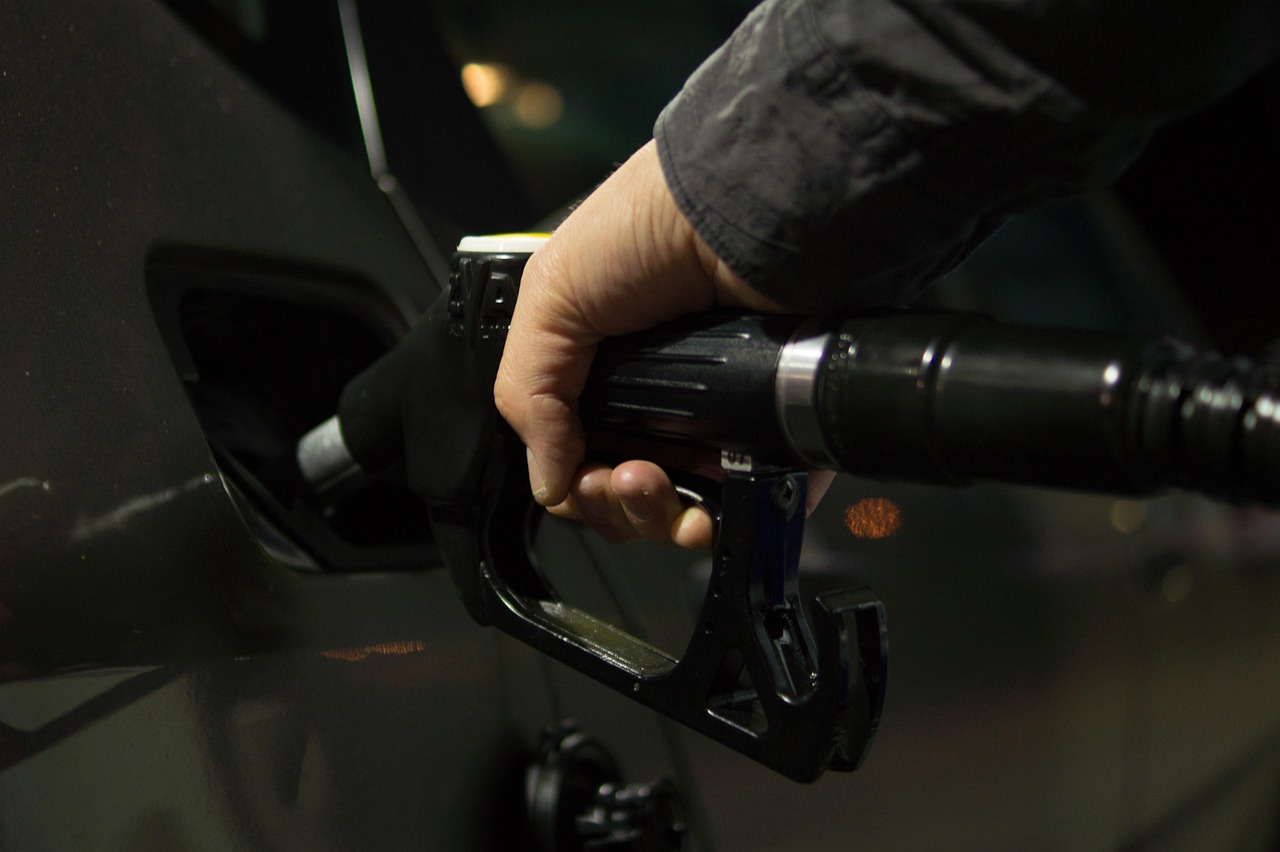
The war between Russia and Ukraine has entered a new strategic phase. For several months, Ukrainian forces have intensified attacks against Russian energy infrastructure, including oil refineries located in Russian territory and the annexed Crimean Peninsula. This tactic is generating what experts from the US research center Energy Intelligence describe as "the worst fuel crisis in Russia's history".
According to data from the news agency Reuters, gasoline production in Russia has decreased by 25% as a consequence of these attacks. Currently, the country produces only 85,000 tons of gasoline per day, while summer consumption reaches 110,000 tons daily, creating a significant deficit already being felt at gas stations throughout Russian territory.
On June 28, 2026, Russian President Vladimir Putin publicly acknowledged for the first time the existence of "some fuel shortage", a gesture that political scientist Margarita Zavadskaya from the Finnish Institute of International Affairs considers significant: "Putin was forced to openly admit that the problem exists. And most importantly, he pointed out its cause: Ukrainian drone attacks".
According to estimates from the Russian economic portal RBC, fuel sales restrictions already exist in 40 regions of Russia. However, the portal Wjorstka raises this figure to 78 regions, suggesting a much more serious problem than officially recognized.
Christina Harward, expert at Washington's Institute for the Study of War, explains that Ukraine already attempted to attack refineries in 2025, but the difference this year is that "both the quantity and quality of their drones have increased considerably. They have improved their range and, additionally, in recent months have made specific efforts to locate and destroy Russian air defense systems".
Attacks are not limited to refineries. Ukrainian forces have also intensified strikes against Russian army supply routes near the front lines, targeting objectives located between 20 and 200 kilometers behind the front lines. Harward notes reports that soldiers in the Huliaipole zone and Zaporizhzhia region are receiving less fuel, less ammunition, and fewer supplies overall. Growing problems are also registered in the Donetsk region for delivering artillery ammunition and even reconnaissance drones.
Since June 26, 2026, a state of emergency has been in effect in Crimea and Sevastopol, decreed by Moscow-imposed authorities after a series of Ukrainian attacks that caused fuel and food shortages on the peninsula.
British historian Mark Galeotti, professor emeritus at University College London, explains that Ukraine has identified Crimea as "Russia's weak point". "It is extremely difficult to maintain fuel, energy, water, and all other necessary resources. Therefore, increasing pressure on Crimea is expected to force Putin to initiate serious peace negotiations".
The Crimean Bridge, recently targeted by Ukrainian attacks, constitutes an important supply route for both the military and civilian population. If Ukraine manages to destroy it completely, according to Harward, "it would really cut one of Russia's main logistical arteries".
Ukrainian President Volodymyr Zelenskyy has described attacks against fuel depots and refineries as "medium and long-term sanctions", intended to force Moscow to negotiate. However, Galeotti warns of the risk that this strategy could provoke escalation by Putin.
Escalation options Putin might consider:
Galeotti concludes that for now, "there is no reason to claim that the Russian economy is on the brink of collapse, that the population is prepared for mass rebellion, or that a coup is imminent". However, he also doubts Russia can maintain its current military effort for much longer.
Fuel is a critical resource for any modern military operation. Tanks, armored vehicles, supply trucks, and aircraft require large amounts of fuel to operate. Supply disruption can paralyze offensives, prevent troop movement, and limit response capacity to enemy attacks. Ukraine's strategy of attacking refineries and supply routes aims precisely to weaken Russian logistical capacity without large-scale direct confrontations. Crimea, annexed by Russia in 2014, is particularly vulnerable as it depends on supplies from mainland Russia through the Kerch Bridge.
Source: Deutsche Welle

Alfredo S. Quiroga
