


02/07/2026 09:11 - Turismo
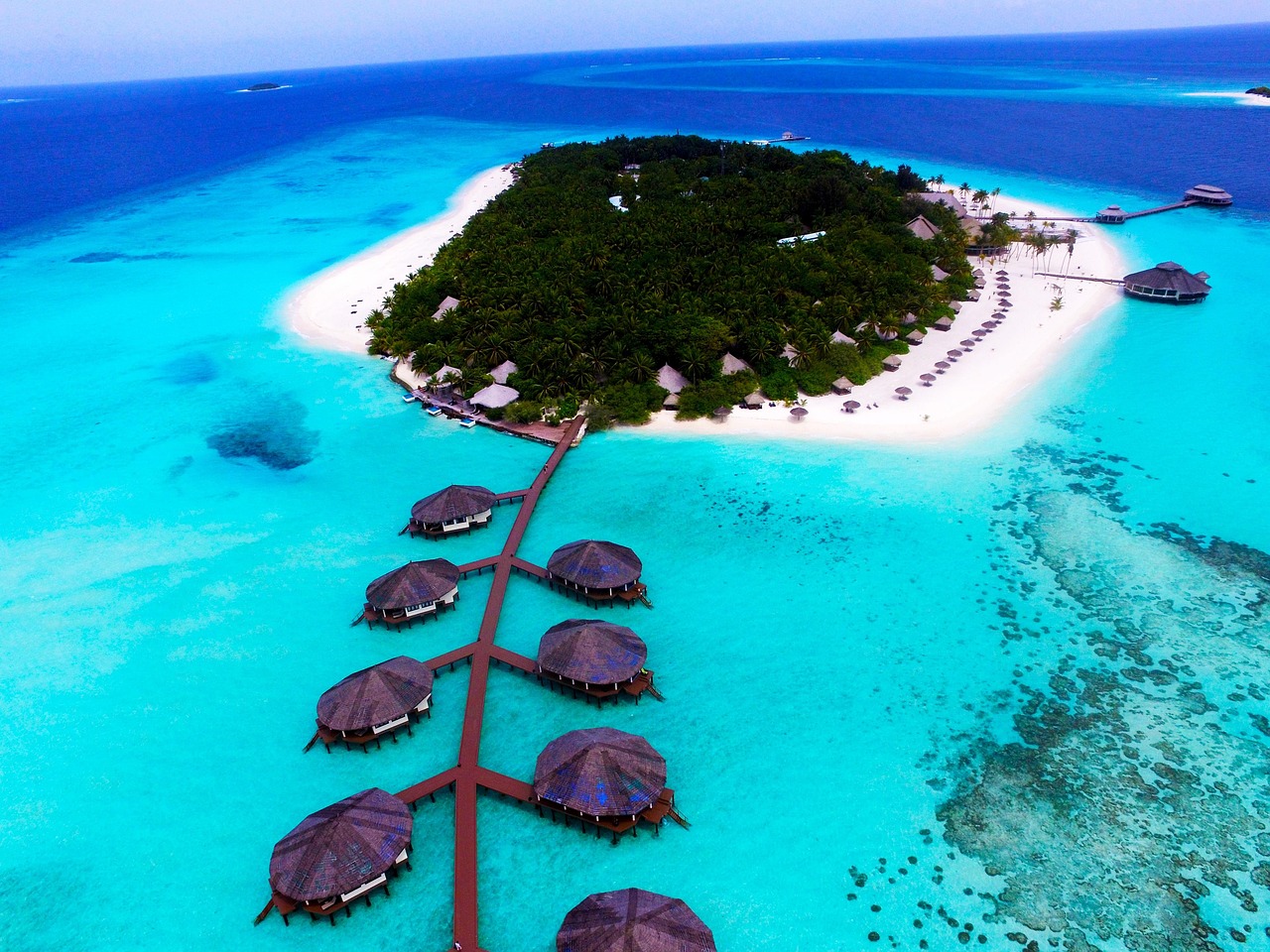
While much of the world deals with mass tourism and crowded beaches, there is a corner of the planet experiencing a diametrically opposite reality. Kiribati, an archipelago lost in the vastness of the Pacific Ocean, was recognized by the World Tourism Organization (UN Tourism) as the least visited country in the world in 2026, with barely 9,500 visitors a year.
This is where Ramiro Cristofaro, a 33-year-old traveler from Vicente López (a district in the Greater Buenos Aires area, Argentina), arrived. After completing his trip around the world in July 2025, he recalled his passage through this remote island in 2024. "I was the only tourist who got off the plane," the Argentine recounted in an interview with Infobae.
Kiribati is made up of 32 atolls and coral islands scattered over a gigantic ocean surface, extending across the four hemispheres. Its capital, Tarawa, is located about 4,000 kilometers southwest of Hawaii. Getting there requires a true aerial odyssey that can include layovers in Singapore, Los Angeles, Fiji, or Hawaii.
Cristofaro arrived from Fiji, but noted that airlines in Oceania depend on foreign routes with flights operating only once or twice a week. Fares to shorten waiting times can skyrocket to 4,000 euros, easily exceeding 30 hours of travel. "If I missed the flight, I could be stranded for a week or much longer," warned the traveler, who even had to cut his stay short to two days due to a lack of fuel on another Pacific island.
What is an atoll? It is a ring-shaped coral island that encloses an inner lagoon, formed by the accumulation of coral on a submerged volcano. Tarawa has a geography as unique as it is fragile: in some sectors, the distance from one coast to the other is so small that you can see the ocean on both sides at the same time. "There are places where the width of the island is barely ten meters. It's crazy," Ramiro described.
This low elevation above sea level makes Kiribati one of the countries most vulnerable to climate change. According to the traveler, there are areas that flood several times a year due to tides, and there is already talk of relocating the population to other countries, although its people, deeply rooted in their land, do not want to leave.
Contrary to what one might imagine, Kiribati is not prepared for tourism: there are no resorts, guides, or agencies. In fact, one of the images that surprised Cristofaro the most was the amount of maritime shipping containers abandoned everywhere. This is because the country imports much of what it consumes but exports very little, so empty containers stay there because sending them back is more expensive than manufacturing new ones.
Beyond its natural beauty, the island holds history. It was the scene of the Battle of Tarawa in November 1943, between American and Japanese forces, which left 6,400 dead. Eight decades later, the vestiges are still visible: "The island is full of war relics. There are tanks, bunkers, abandoned military structures. You can walk among them and climb on some," the Argentine traveler shared.
Beyond Tarawa, Kiribati is home to the Phoenix Islands Protected Area (PIPA), a protected marine reserve of more than 408,000 square kilometers declared a World Heritage Site by UNESCO, home to hundreds of marine species. It also houses Kiritimati (or Christmas Island), a privileged destination for sport fishing.
Life in Kiribati happens at a different pace. "Everything happens much slower. People are sitting around chatting, living day by day. You don't see the frenetic pace of big cities," Cristofaro summarized. He admits there isn't much to do other than sit and watch the water. But perhaps that is its greatest appeal: the feeling of having reached a corner of the planet that remains practically untouched by the advance of global tourism.

Alfredo S. Quiroga
