22/07/2026 03:40 - Internacionales
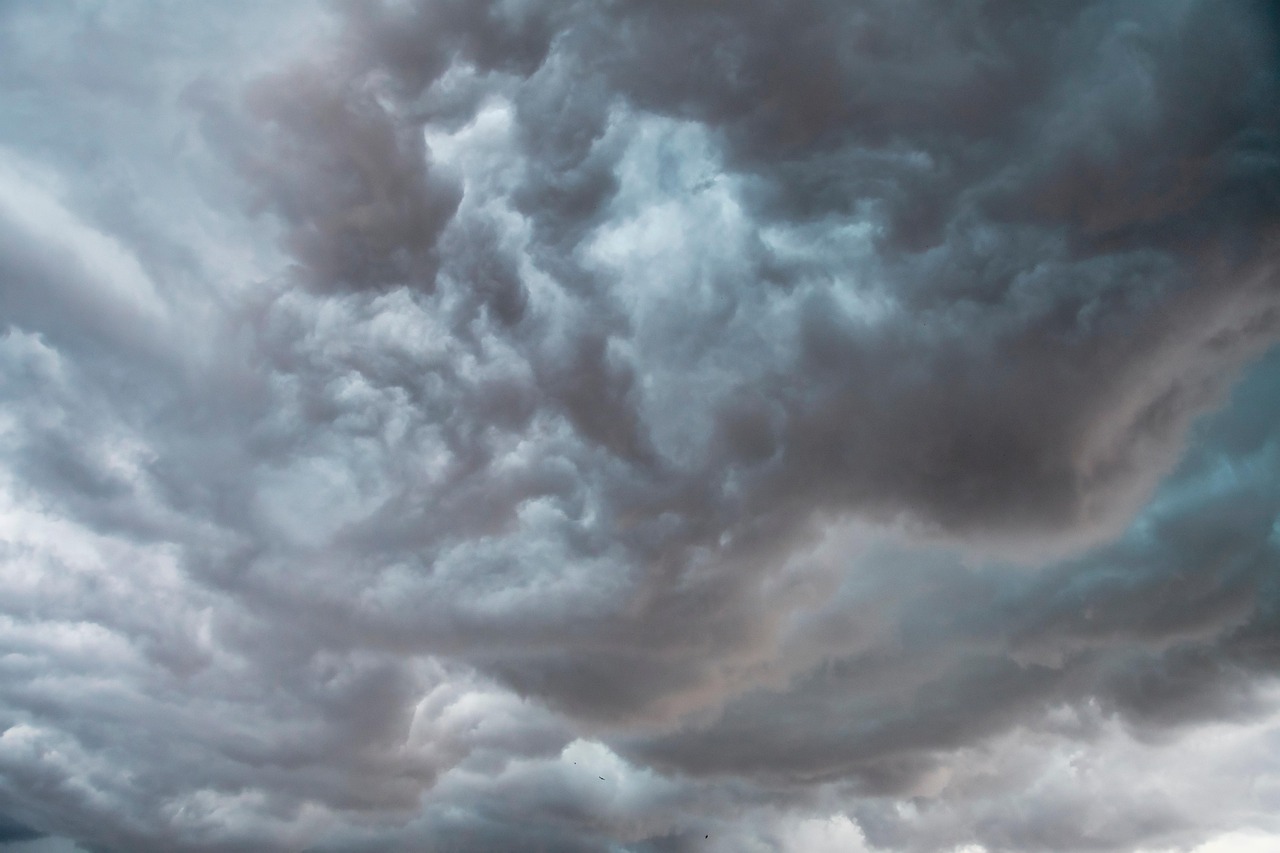
According to authorities on July 21 and 22, 2026, the Atacama and Coquimbo regions are suffering the worst consequences of an unprecedented weather event.
The brutal storm affecting Chile since July 15, 2026 has generated a humanitarian crisis unseen in decades. Known in the media as 'El Niño Godzilla' (a reference to the El Niño climate pattern, amplified to monstrous proportions), the frontal system has brought extreme rains that shattered historical records in the desert zone of northern Chile—typically the driest place on the planet.
Alicia Cebrián, the national director of the National Service for Disaster Prevention and Response (Senapred), detailed the harsh material impact: 81 homes were destroyed, 2,661 sustained major damage, 18,957 have minor damage, and 1,771 remain under evaluation.
The Ministry of Energy reported that 118,905 customers remain without electricity, a number down from the initial 128,745 thanks to repair efforts by distribution companies.
Rising rivers and mudslides blocked roads, leaving over 104,000 people without access routes. The army is using helicopters and tractors to rescue those stranded on their roofs.
President José Antonio Kast declared a state of catastrophe in the Coquimbo Region and the Huasco Province. This crucial measure allows the immediate deployment of military forces, restriction of movement, and acceleration of resource mobilization to the most vulnerable communities.
'In some areas, the amount of water that usually falls in a whole month fell in a single hour,' explained the Undersecretary of the Interior, Máximo Pávez.
Despite the magnitude of the tragedy, the joint work of authorities, security forces, and volunteers offers a glimpse of a path to recovery. Affected areas will begin receiving continuous assistance and international aid in the coming days, while technical teams work tirelessly to restore normalcy. The solidarity of the Chilean people shines as a beacon of hope amidst the storm.

Alfredo S. Quiroga