


22/07/2026 18:29 - Actualidad
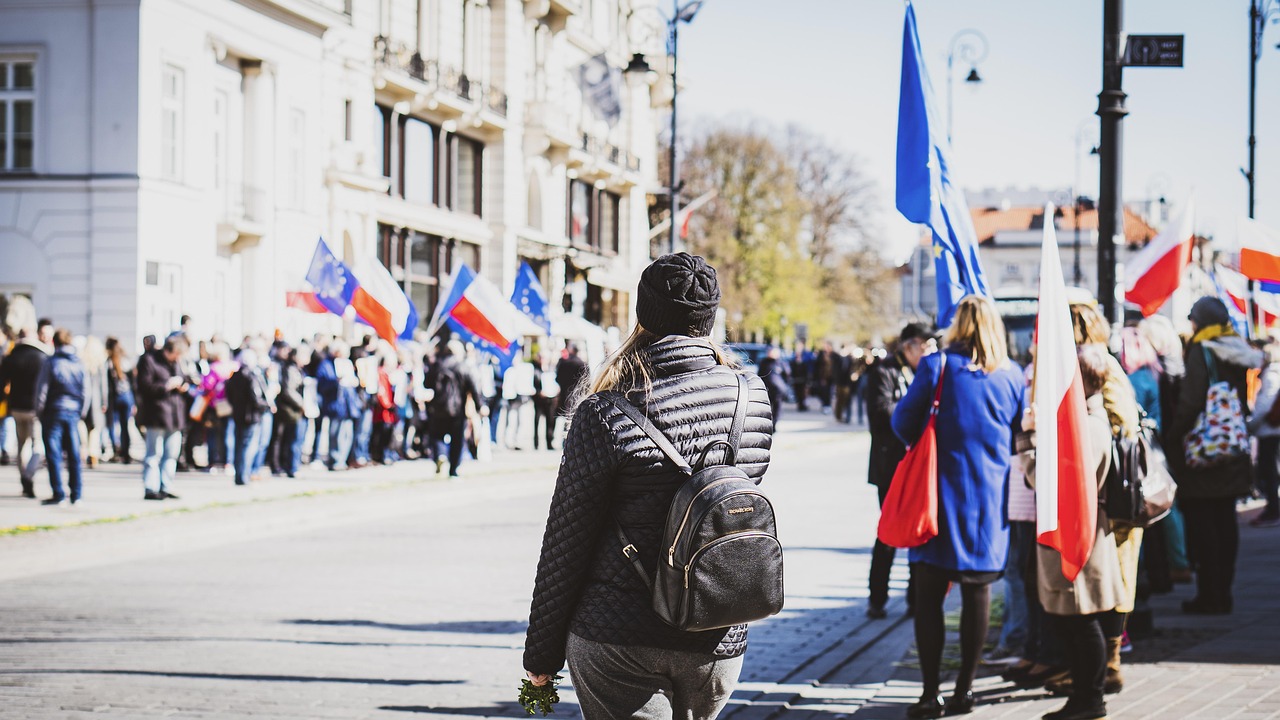
After the festive pause of the 2026 World Cup, Argentina's major labor unions and social organizations resumed their agenda of peaceful protests on Wednesday, July 22, 2026. To understand this landscape as a foreigner, it is key to know that the General Confederation of Labor (CGT) is the largest and most traditional trade union center in the country. They were joined by both factions of the Central de Trabajadores de la Argentina (CTA), the Union of Workers of the Popular Economy (UTEP) (which represents informal workers), and the Association of State Workers (ATE). Together, they organized a national day to make the situation of retirees visible and advocate for social policies.
The main mobilization took place in the capital, Buenos Aires. Since 15:00, protesters gathered at Avenida Rivadavia and Rodriguez Peña to march toward the National Congress—which was protected by security fences—accompanying the traditional weekly protest of senior citizens. The central goal was to demand an improvement in pension benefits and to express their views on the economic policies of Javier Milei's administration.
One of the most important points of the protest was the pension situation. In Argentina, pensions are managed by ANSES (National Social Security Administration). Protesters highlighted that as of July, the minimum pension was updated from $403,302.81 to $411,989 Argentine pesos (ARS). Adding a frozen extraordinary bonus of $70,000 pesos (unchanged since the beginning of the current administration), the minimum income reaches $481,989 ARS. Union leaders pointed out that this amount is insufficient against the local cost of living.
Another central demand was the defense of the Volver al Trabajo (Back to Work) program, previously known as Potenciar Trabajo. This social program assists approximately 900,000 beneficiaries with a monthly income of $78,000 pesos. The national government plans to replace it with a training voucher system. Leaders like Jorge Sola from the CGT expressed concern over the loss of more than 300,000 jobs and the closure of 23,000 SMEs (small and medium enterprises) during the current management.
The day of protest was replicated in different provinces with a strong call for peaceful citizen participation:
Leaders announced that the protest schedule would continue in the coming weeks. The next milestone was announced for August 7, 2026, with the traditional march to San Cayetano (the patron saint of bread and work in Argentina) organized by social movements, concluding with a rally at Plaza de Mayo. The organizations, maintaining a hopeful and constructive stance, expressed their willingness to seek answers to social demands through dialogue before considering stronger measures, such as a general strike.

Alfredo S. Quiroga
