22/07/2026 19:02 - Internacionales
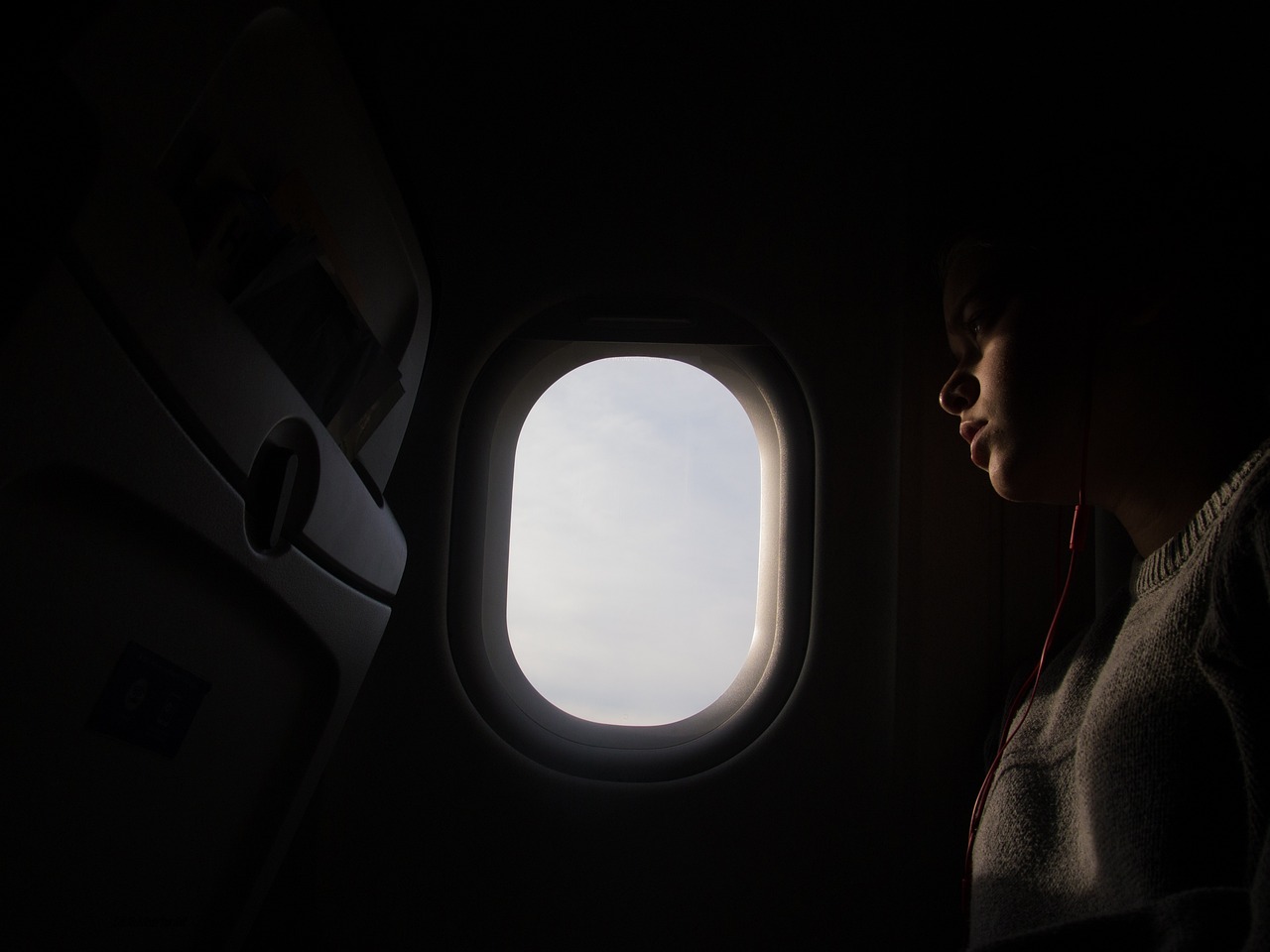
On July 10, 2026, a flight operated by Ryanair—a well-known Irish low-cost airline—traveling from Thessaloniki, Greece to Memmingen, Germany experienced an emergency that shocked the world. A passenger was partially sucked out of the plane after his seat window shattered at an altitude of 15,000 meters.
The protagonist of this incredible survival story is Ljubisa Karović, a 61-year-old Serbian businessman who owns an aluminum factory. He was traveling in seat 11F, right next to the window. He was sleeping peacefully when a deafening roar woke him up and changed his life forever.
To understand the magnitude of this incident, it is important to define a key aviation concept: explosive decompression. It occurs when an aircraft cabin—which is artificially pressurized to simulate sea-level pressure and allow normal breathing—suffers a sudden rupture in its structure, such as a broken window. In fractions of a second, the high-pressure air shoots outward, creating a violent suction that can drag objects and even unrestrained people out of the plane. This was the terrifying phenomenon that left Karović half in and half out of the aircraft for nearly two minutes.
While chaos and terror gripped the cabin, Karović's survival depended on the quick reaction of those around him. His wife, Svetlana, traveling three rows behind, rushed to seat 11F and managed to grab her husband by the legs, preventing him from falling into the void.
The second hero of this story was an Albanian passenger. In an act of immense bravery, this man first tried to plug the hole with a bag, but the suction force ripped it away. Undeterred, he used a suitcase that managed to withstand the pressure and block the incoming air, saving the Serbian man's life. 'We will be eternally grateful to him,' Karović stated from his recovery bed.
The survivor's Greek lawyer, Vasilis Tsiaras, noted that the cabin crew may have been paralyzed by fear, although the pilot was praised for executing a flawless emergency descent back to Thessaloniki, following all safety protocols perfectly.
Days after the incident, on July 22, 2026, Ryanair CEO Michael O'Leary offered preliminary details about what might have caused the tragedy. According to the airline, investigations point to damage caused by an external object.
The executive assured the public that the aircraft, an 18-year-old Boeing 737, had passed all relevant maintenance inspections. The main hypothesis suggests that a foreign object entered the engine during takeoff in Thessaloniki, causing a metal piece to break off and violently strike the passenger's window.
The United States National Transportation Safety Board (NTSB) is leading the investigation, as both the plane and its engines were manufactured in the US. A definitive report is expected in approximately four weeks.
Despite suffering abrasion burns on his right arm, armpit, and chest, along with two fainting spells and temporary facial deformation due to the extreme pressure, Karović considers himself a fortunate man. He currently must wear a neck brace for at least six weeks while doctors evaluate whether he will need surgery.
'It is the noise before the chaos, the one I always hear when I close my eyes,' recounted the businessman, who attributes his miraculous survival to his seatbelt—which remained fastened—and his faith. Although he now admits to a fear of flying, his message to the world is a hopeful call for prevention: 'Always wear your seatbelt. I don't want anyone to go through what I went through.'

Alfredo S. Quiroga