22/07/2026 18:37 - Actualidad
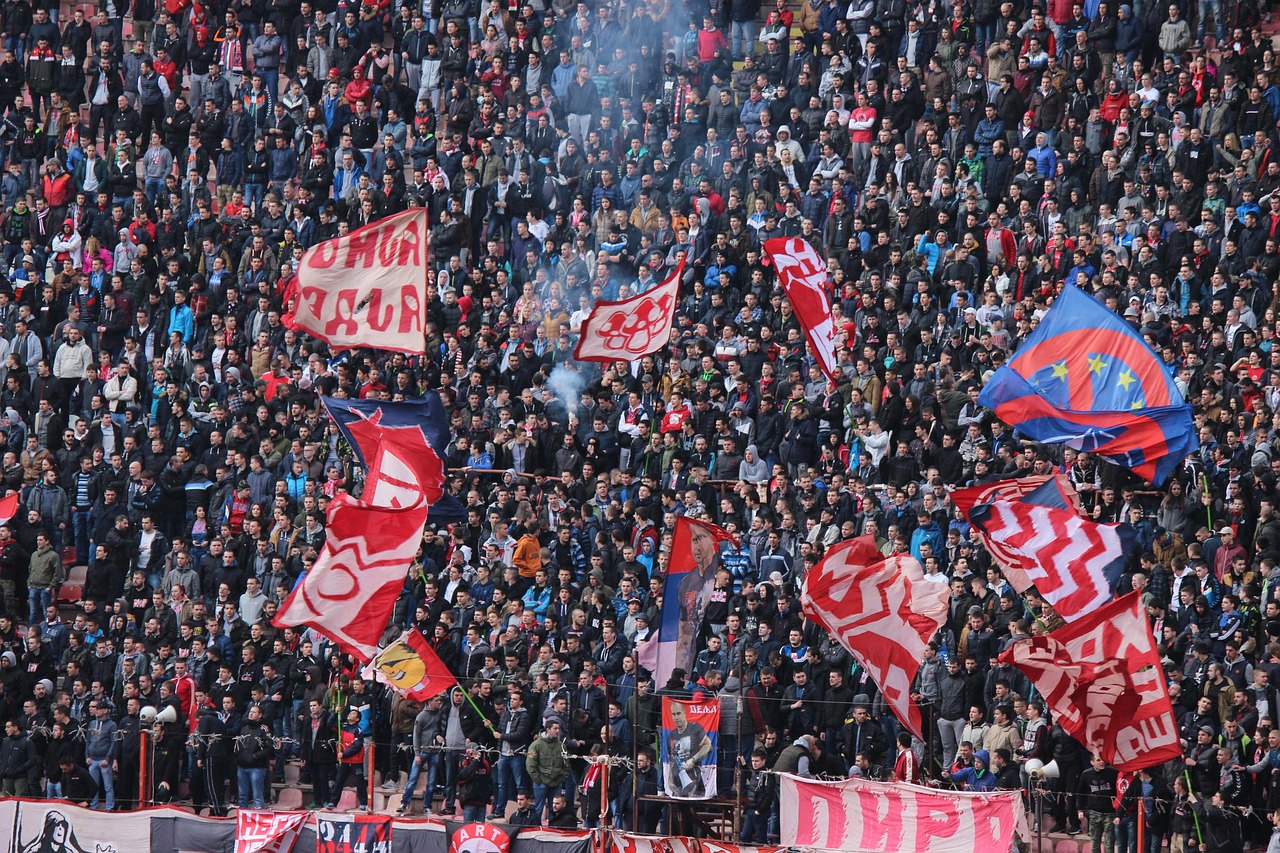
In Argentina, football is more than a sport; it is a core part of the national identity. However, after the national team lost 1-0 to Spain in the World Cup final on July 19, 2026, the focus shifted from the pitch to social media. An unusual harassment campaign went viral, accusing Argentina of being a racist and violent country. International media and public figures pushed narratives claiming the tournament was rigged in Argentina's favor, a phenomenon dubbed ArgenFIFA on social networks.
To understand the scale of this, the digital consultancy Ad Hoc Digital reported 2.7 million negative mentions in just a few hours. Out of these, 826,000 were directly linked to claims of racism in Argentina, 764,000 mentioned Israel in the context of the controversy, and 688,000 referenced the term ArgenFIFA, suggesting a manipulated tournament, as reported by local outlets like La Política Online and La Nación.
The campaign found unexpected amplifiers. American actor Samuel L. Jackson shared a message urging people not to support Argentina, calling it one of the most racist countries in the world. Spanish actor Javier Bardem showed his support for Spain, citing the political stance of Argentina's outspoken libertarian President, Javier Milei, regarding Israel.
Spanish singer Rosalía also replicated a message celebrating Argentina's defeat. This prompted several fans in Buenos Aires to sell their tickets for her upcoming local show in protest. Even Greek economist Yanis Varoufakis got involved in the controversy, ending up having to answer for his own country's migration policies after criticizing Argentina.
In this tense context, President Milei rejected the criticisms by quoting a phrase he attributed to Winston Churchill, though fact-checkers later clarified the quote belonged to Victor Hugo. Milei shared a map of Argentina with the caption 'Now the world will see how far a country full of Argentines can go', as reported by Infobae.
For foreign readers, it is crucial to understand how social media operates here. Lucas Malaspina, a consultant in Digital Public Affairs, explained to Infobae that algorithms on platforms like TikTok, X, and Instagram, combined with automatic translation, multiplied the reach of these messages. 'The incentive system of social networks makes content creators produce material that performs better if it generates anger or controversy,' he stated. He clarified there is no proof of a centralized operation, but rather dispersed campaigns exacerbated by technology.
Furthermore, historian Ezequiel Adamovsky, in an essay for Revista Anfibia, warned that 'racism is too important an issue to discuss in the idiotic way we are doing it right now.' Adamovsky acknowledges that Argentina is a racist country, just like every other nation in Latin America and the world. However, he notes that the stereotype of Argentina being a purely 'white and European' country clashes with the historical reality of early racial mixing and integration, a process that happened much earlier than in powers like the United States, where legal segregation lasted until the 1960s.
Despite the noise on social media, it is vital to remember that Argentina is a polarizing country, but not universally hated. The Argentine Ambassador to Spain, Wenceslao Bunge Saravia, confirmed there were no official complaints of real physical aggressions, suggesting that most of this phenomenon was confined to the virtual world. The debate on racism should take place on its own terms, acknowledging internal issues but valuing the profound cultural integration and the resilience of a people who always move forward. Diversity and Argentine passion will continue to be their greatest strengths on the global stage.
Sources: La Política Online | La Nación | Infobae | Revista Anfibia
Alfredo S. Quiroga