


19/06/2026 15:11 - Economia
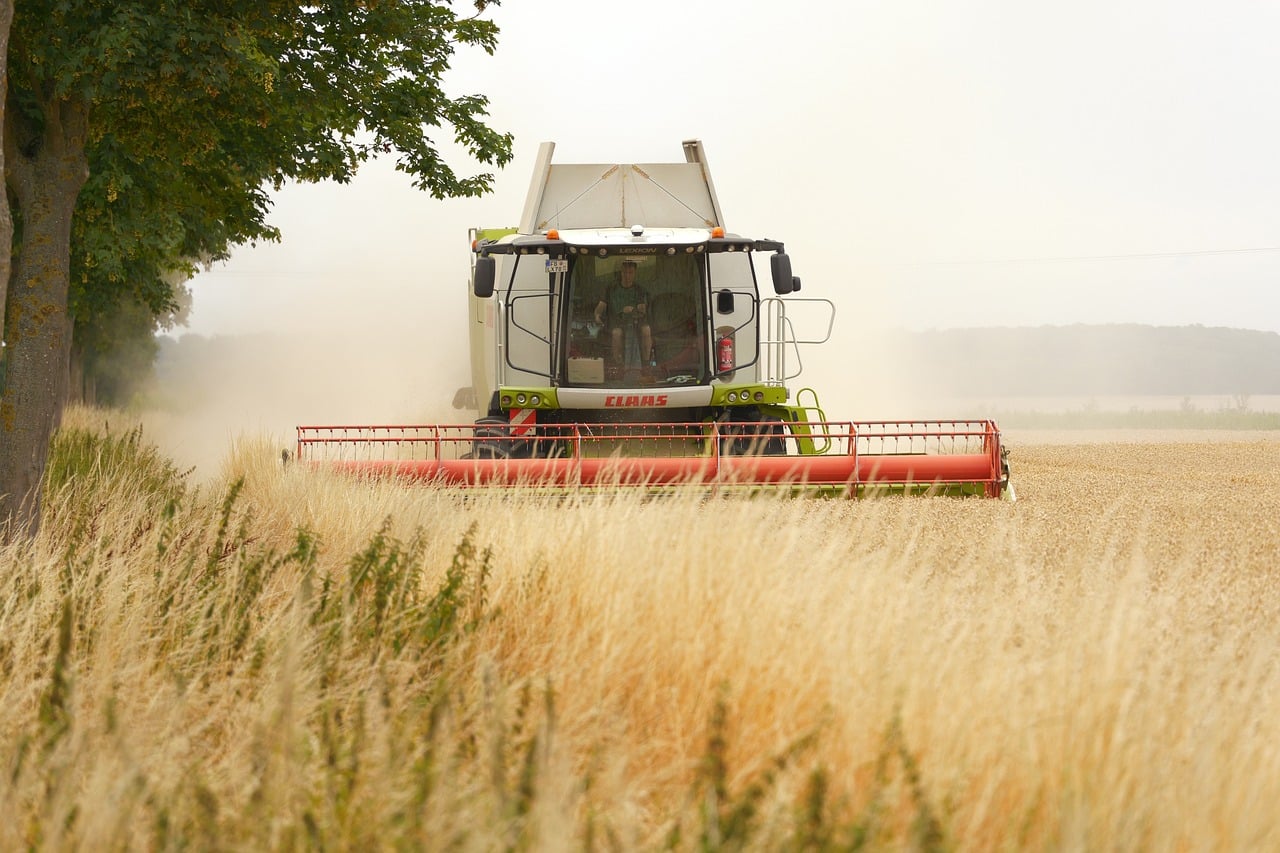
campo de soja con tecnología agrícola moderna
The administration of President Javier Milei has officially repealed Resolution 283/2015 from the National Institute of Industrial Property (INPI, by its Spanish acronym) through Resolution 197/2026, published in the Official Gazette. This regulation, originally implemented during Cristina Fernández de Kirchner's government, had established restrictive criteria for patenting living organisms, biological material, and biotechnological developments applied to agricultural production.
To understand this for non-Argentine readers: Argentina is one of the world's largest agricultural exporters, particularly in soybeans, corn, and wheat. The country's fertile Pampas region and advanced farming techniques have made it a global agribusiness powerhouse. The INPI is Argentina's equivalent to the US Patent and Trademark Office or the European Patent Office—it handles all intellectual property registrations in the country.
To grasp the significance, we need to go back to the late 1990s when RR Soybeans (Roundup Ready)—a genetically modified variety developed by Monsanto—revolutionized Argentine agriculture. This technology allowed farmers to use glyphosate herbicide without damaging their crops, dramatically increasing yields and transforming Argentina into an agricultural superpower.
For context: Argentina currently produces over 50 million tons of soybeans annually, making it one of the top three producers worldwide. However, the companies owning these genetic developments had historically attempted to charge royalties (fees paid to patent holders for using their technology) for the genetics incorporated in seeds. Previous governments resisted these attempts through regulations and patenting limitations.
| Period | Policy Approach | Impact on Farmers |
|---|---|---|
| Late 1990s-2015 | Restrictive patenting rules | Protected from royalty payments |
| 2015 Resolution | Formalized restrictions | Legal clarity on exemptions |
| 2026 Repeal | Open patenting framework | Potential new royalty costs |
This decision reveals an interesting political contradiction that hasn't gone unnoticed in Argentina's agricultural sector. During the Kirchner administrations (2003-2015), much of the agricultural community maintained a confrontational relationship with the government over export taxes (retenciones)—a controversial tax on agricultural exports that many farmers opposed.
However, ironically, it was during those same governments that regulatory mechanisms were sustained to prevent multinational seed companies from collecting massive royalties. Now, a government with strong support from agricultural sectors has eliminated one of the key tools that prevented this corporate expansion.
For international readers: Argentina's agricultural sector has historically been politically active, with organizations like the Rural Society and Agricultural Federations wielding significant influence. The current administration's free-market approach prioritizes intellectual property rights over the historical protections that benefited local producers.
While this measure doesn't create a new government tax, it does generate a new economic burden for those working the land. The crucial difference: instead of going to the state, these funds would flow directly to the companies owning the technologies.
In practical terms, farmers may now face higher costs associated with using seeds, biotechnological events, and protected genetic developments. Agricultural leaders argue the economic effect is similar to a new production tax, transferring resources from farmers to patent-holding companies.
For a small or medium-sized Argentine farmer already dealing with inflation, currency fluctuations, and international commodity prices, this could represent a significant additional expense in an already challenging economic environment.
Minister of Deregulation and State Transformation Federico Sturzenegger—a well-known economist who previously served as President of Argentina's Central Bank—celebrated the measure on social media: "Through Resolution 197/26, INPI repealed Resolution 283/15 regarding (non) patenting of living matter and biotechnology, a transcendental improvement in respect for intellectual property and innovation in our country."
The government argues this decision modernizes Argentina's intellectual property system, bringing it closer to international standards (similar to the United States and European Union) and will attract investment in research and development. Proponents believe stronger patent protections will encourage companies to introduce newer technologies in Argentina, ultimately benefiting the agricultural sector's competitiveness.
Organizations linked to family farming, environmental groups, and academic sectors warn that expanding patentability over biological resources could strengthen the dominant position of large multinational biotechnology corporations—often referred to as "Big Ag" in international contexts.
Critics point out that excessive protection can lead to higher costs for accessing certain technologies, market concentration in the hands of a few players, and tensions over control of genetic resources that are part of biodiversity. This debate mirrors global discussions about seed sovereignty and farmers' rights versus corporate intellectual property.
The concern extends beyond economics: some fear dependency on foreign corporations for fundamental agricultural inputs could compromise Argentina's food sovereignty in the long term.
The repeal of Resolution 283/2015 doesn't eliminate restrictions established in Argentina's Patent Law, which remain in effect. However, it does remove an additional layer of administrative limitations. Moving forward, INPI examiners will have greater flexibility to analyze each patent application according to general criteria.
The true scope of this measure will become apparent in the coming years as INPI resolves new patent applications and the judiciary potentially rules on the limits of this new flexibility. It represents a significant shift in how Argentina balances farmer interests, corporate innovation, and food production sovereignty.
For international observers, this policy change reflects Argentina's broader economic direction under the Milei administration: prioritizing free-market principles and international investment over historical protections for domestic producers. Whether this brings innovation and growth or higher costs and dependency remains to be seen.
Sources: El Litoral, La Política Ambiental

Alfredo S. Quiroga
