20/06/2026 09:17 - Economia
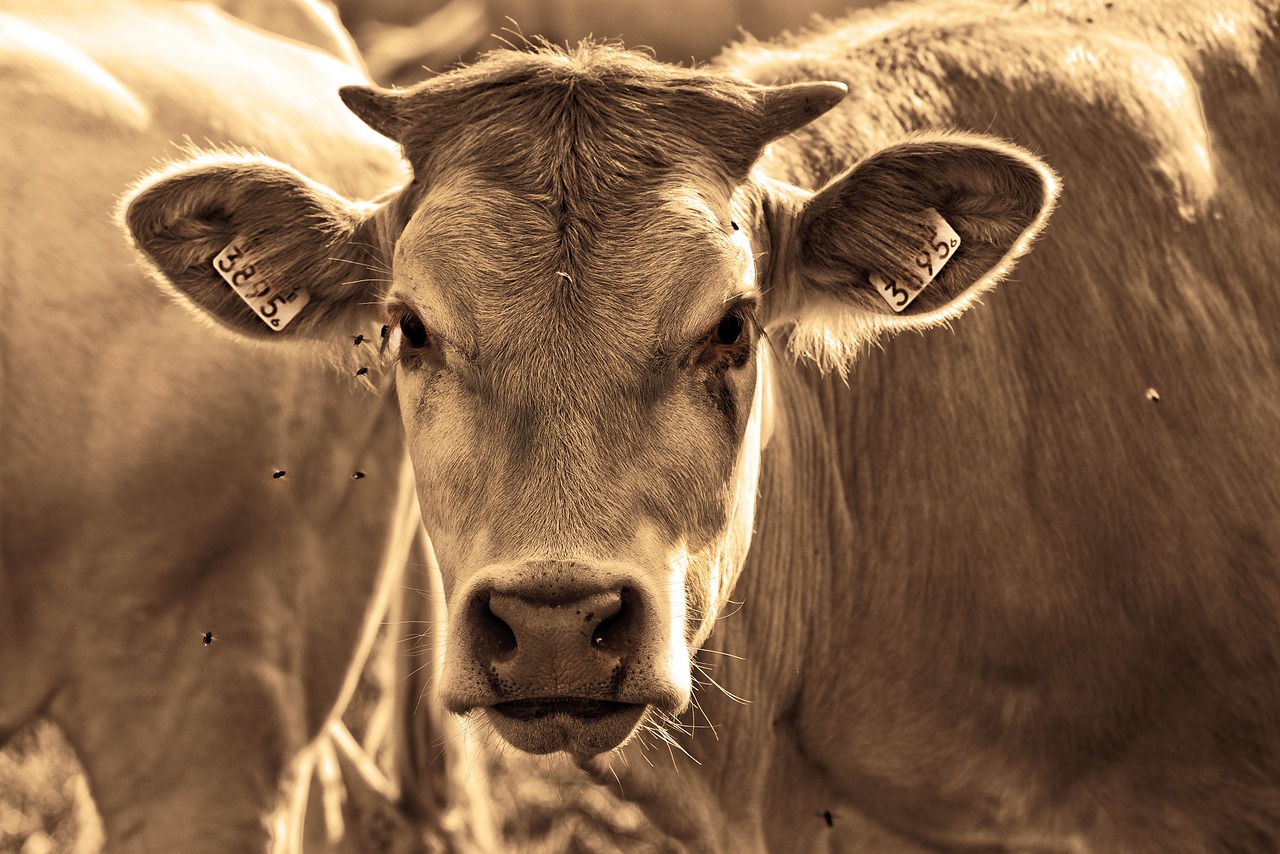
Ganado vacuno de alta calidad pastando en campos argentinos durante el atardecer dorado, mostrando la excelencia de la producción ganadera nacional para exportación
Between January and May 2026, Argentina exported 271,379 tonnes of refrigerated and frozen beef, generating revenues of US$1.833 billion, a 44.7% increase compared to the same period the previous year. The growth was driven both by increased shipment volumes (+8%) and, primarily, by improved international prices.
Argentina is one of the world's largest beef producers and exporters, known for its vast grasslands (Pampas) where cattle are raised on open pastures. The country has a long tradition of cattle ranching dating back to the 16th century, and Argentine beef is renowned worldwide for its quality and flavor. The ABC Consortium (Argentine Beef Consortium) is the main association representing beef exporters in the country.
The average export price stood at US$7,251 per tonne in May 2026, 4.3% above April and 32.4% higher than a year earlier. This value surpassed the previous record of US$6,300 per tonne reached in April 2022.
After the 2022 peak, prices had started a downward trend that bottomed at US$3,740 per tonne in mid-2024. Since 2025, prices began recovering and this year consolidated that improvement, according to the report from the Argentine Beef Exporters Consortium (ABC).
| Period | US$/ton |
|---|---|
| April 2022 | 6,300 |
| Mid-2024 | 3,740 |
| May 2026 | 7,251 |
Source: ABC Consortium
58,631 tonnes
+23.3% vs April 2026
+7.5% vs May 2025
US$425.1 million
+28.6% vs April 2026
+42.3% vs May 2025
One of the most relevant findings in the report is the transformation in market distribution. China remains the main buyer, but lost relative share, while the United States tripled its participation.
| Destination | Volume Share | Value Share |
|---|---|---|
| China | From 61% to 47.5% | 33% of total value |
| United States | From 8-9% to 23% | 22.5% of total value |
| Europe | Notable increase | 21% of total value |
| Israel | 4,100 tonnes in May | Kosher beef with strong recovery |
Livestock analyst Víctor Tonelli noted that "the United States went from representing between 8% and 9% of exports to about 23%. There was almost a direct replacement for part of what previously went to China."
The United States expanded its import quota for Argentine beef from 20,000 to 100,000 tonnes with tariff preferences. Additionally, China, facing domestic production challenges, increased its demand for foreign beef. Europe has also strengthened its purchases, particularly of high-quality cuts. Argentina's reputation for grass-fed, hormone-free beef makes it especially attractive in these premium markets.
International beef values reached record levels, driven by sustained global demand and restricted global supply.
The carcass weight price fell from approximately $8,500 to a range of $7,000-$7,900, improving competitiveness for the exporting meatpacking industry.
The expansion of quotas to the United States (from 20,000 to 100,000 tonnes with tariff preferences) and improved conditions with Europe boosted shipments.
Mario Ravettino, president of the ABC Consortium: "The cumulative total for the first five months of 2026 reveals that foreign sales of refrigerated and frozen beef amounted to approximately 271,400 tonnes product weight, for a value of about US$1.833 billion."
The export record occurs in a context of contraction in domestic supply. According to the Rosario Board of Trade (Bolsa de Comercio de Rosario), in the first four months of 2026, slaughter reached its lowest level in ten years, with 3,935,598 head.
However, the average weight per slaughtered animal rose to 235.4 kg carcass weight, the highest value on record for a first four-month period (with data available since 1990), reflecting a production decision aimed at maximizing yield per animal.
Carcass weight ("peso gancho" in Spanish) refers to the weight of the animal after slaughter, once the hide, head, internal organs, and extremities have been removed. It represents approximately 50-60% of the live animal's weight and is the standard measure used in the beef industry for pricing and statistics.
Apparent domestic consumption stood at 681,209 tonnes bone-in beef equivalent, 11.7% below the previous year, resulting from the real increase in retail prices and lower meat supply.
The international scenario remains favorable. U.S. demand appears as the main driver of recent growth, although China maintains a firm level of purchases. "Exports are booming. They're taking a significant portion of a supply that fell due to lower Argentine production and, at the same time, they have very active international demand," Tonelli concluded.
Data based on reports from the Argentine Beef Exporters Consortium (ABC), National Institute of Statistics and Census (INDEC), and Rosario Board of Trade. All figures correspond to the period January-May 2026.

Alfredo S. Quiroga