


06/07/2026 21:15 - Actualidad
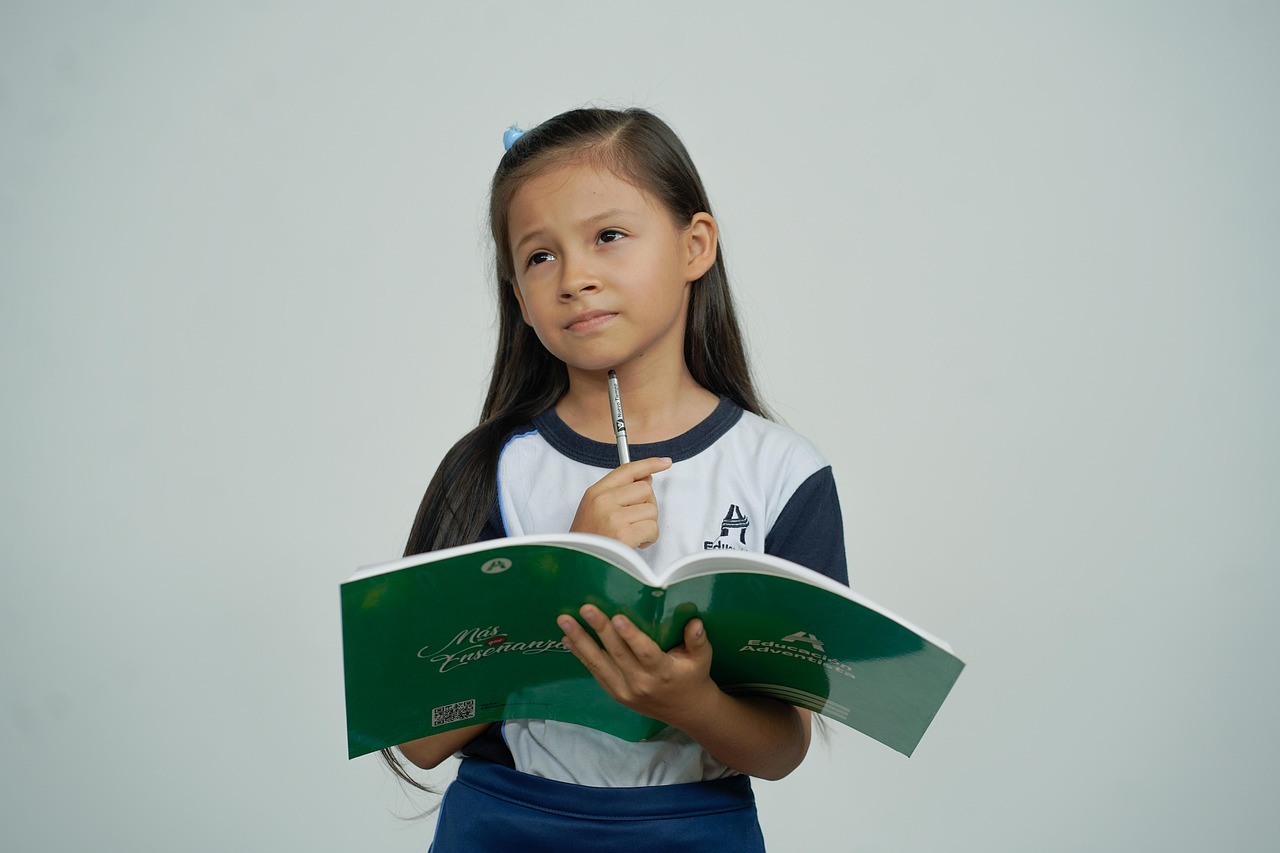
Education in Argentina has reasons to celebrate and look to the future with optimism. The results of the Aprender 2025 Assessments, released on July 6, 2026, showed widespread improvements in learning among 6th-grade students nationwide, highlighting significant progress in reading comprehension and mathematical problem-solving.
To understand the context for our international readers, the 'Aprender Tests' are national census and sample-based evaluations implemented by the Argentine State. They aim to provide reliable information about what students are learning at different stages of their school journey, functioning similarly to standardized national tests in other countries.
This recent edition reached 752,936 students across 20,298 schools throughout the country, making it a fundamental tool for measuring educational levels across Argentina's 24 jurisdictions.
The City of Buenos Aires (locally known as CABA) consolidated its position as the jurisdiction with the best national performance. In Language, 88.1% of students from the capital reached satisfactory or advanced levels, while in Mathematics that percentage reached 74.5%.
Furthermore, the federal capital managed to reduce the lowest performance levels: in Language, students 'below basic' dropped from 5.8% to 2.1%. The gap between public state schools and private schools also shortened from 15.2 to 11.3 percentage points.
The national report, prepared by the Secretariat of Education and analyzed by the NGO Argentinos por la Educación, revealed that the percentage of students with good results grew in both areas compared to 2023:
This growth was driven by provinces that achieved significant advances, demonstrating that teachers' efforts and public policies are paying off.
The provincial overview shows very positive lights. San Juan, Catamarca, and La Rioja led the national improvement in Language, with increases of up to 14 percentage points. In Mathematics, the highest rises occurred in La Rioja, Catamarca, and La Pampa.
| Province | Language (Satisfactory/Advanced) | Mathematics (Satisfactory/Advanced) |
|---|---|---|
| City of Buenos Aires | 88.1% | 74.5% |
| San Luis | 79.3% (+12.1 pts vs 2023) | 54.1% (+5.3 pts vs 2023) |
| Córdoba | 82.4% | 64.3% |
| Chubut | 81.9% | Data not specified |
| National Average | 76.9% | 55% |
The case of San Luis is especially hopeful. Under the management of Governor Claudio Poggi, the province not only exceeded the national average in Language, but the greatest growth was observed in the most vulnerable sectors. In Language, the low socioeconomic level went from a 51.5% satisfactory performance in 2023 to 73.25% in 2025, a 21.75-point improvement that reflects the positive impact of early literacy programs and school nutritional support.
Although social gaps and differences between state and private schools persist, the general trend is one of recovery and progress. Buenos Aires Minister of Education, Mercedes Miguel, attributed the successes to strategic plans like 'Buenos Aires Aprende', focused on early literacy and student autonomy.
It is encouraging to see that, through continuous evaluation and curricular updates, Argentine education is showing its resilience and capacity for transformation.
Sources: Infobae and Agencia San Luis.

Alfredo S. Quiroga
