


11/07/2026 03:45 - Politica
Published on July 10, 2026. Source: Infobae.
In the history of his fluctuations against what he calls the political caste, President Javier Milei seems to have entered a conciliatory phase once again. In less than 24 hours, between Wednesday, July 9, and Thursday, July 10, 2026, the president showed a willingness to dialogue with provincial governors, was friendly with the Catholic Church, and was sympathetic to the Head of the Buenos Aires City Government, Jorge Macri, marking a contrast with the confrontational tone of previous cycles.
On July 9, 2026, during the traditional Tedeum—a Catholic mass celebrated in Argentina on national holidays and attended by political authorities—held at the Metropolitan Cathedral for the 210th Anniversary of the Declaration of Independence, Milei affectionately greeted Jorge Macri and his wife, Belén Ludueña, who attended with their baby, Vito. A year earlier, at the same ceremony, the President had snubbed the city mayor. This time, with a smile, he made a comment about their son: 'He turned out too handsome,' in a clear gesture of goodwill that also included the provincial leaders present.
The President's newfound posture responds to the calculations of a government that revisited its 'electoral calculator' a year before party lists close and ahead of the upcoming debate in Congress on political reform. The central axis of this discussion is the elimination of the PASO (Primarias Abiertas Simultáneas y Obligatorias), which translates to Open, Simultaneous, and Mandatory Primaries. This system requires all political parties to hold primaries on the same day, and candidates must reach a minimum threshold of votes to participate in the general election. Karina Milei, Secretary General of the Presidency, considers eliminating PASO indispensable to secure the presidential re-election in 2027, unlike some allies from the PRO (Republican Proposal) party.
After months of paralysis due to the case of former Chief of Cabinet Manuel Adorni—whose alleged corruption episode the government considers a smear operation by the Peronist opposition—polls forced the ruling party to exaggerate gestures of unity. According to internal sources, the President's positive image stands at 32 points, a number the Executive branch urgently seeks to reverse to project continuity and lower political risk.
The ruling party feels relatively calm as long as Peronism remains fragmented. However, it glimpses a challenge if the opposition unites under the leadership of Axel Kicillof, who would measure approximately 27 points, leaving the projected difference with the ruling party at just 3 to 5 points.
The risk of the 'Right-Wing Dwarfs': In the national leadership, they admit fearing leaders with an ideological profile similar to Milei's who, without achieving his level of adherence, could split the libertarian vote. One figure generating expectation is Vice President Victoria Villarruel, who in Tucumán confirmed her plans to be a candidate in 2027 remain firm. From the Casa Rosada (the presidential palace), they trust that a solitary candidacy by Villarruel would not harm the government, but recognize that the addition of 'five or six' candidates of that style could be dangerous.
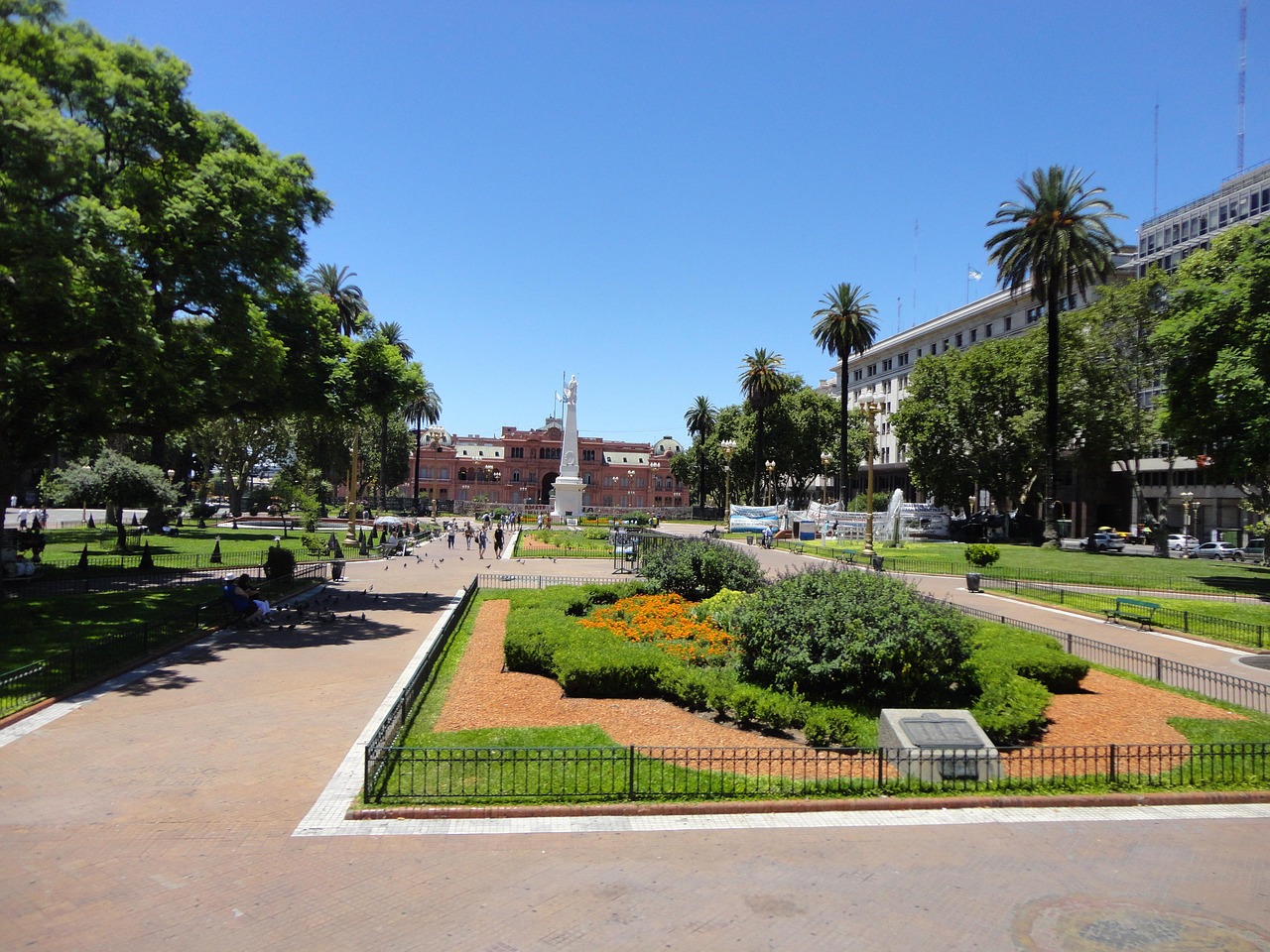
To complete the picture of gestures aimed at portraying himself as a manager, Milei convened a Cabinet meeting just hours after the Tedeum. The objective was to analyze the axes of the reform of the Organic Charter of the BCRA (Central Bank of the Argentine Republic), with the goal of ending financing to the Treasury. The meeting, staged on the balcony of the Casa Rosada facing the Plaza de Mayo, was attended by ministers and the new Chief of Cabinet, Diego Santilli, who assumed office on June 30, 2026, replacing Adorni.
With a tone that seeks to move away from confrontation and bet on pragmatism, the government is laying the groundwork for what will be an intense year of political definitions.

Alfredo S. Quiroga
