


20/07/2026 16:48 - Economia
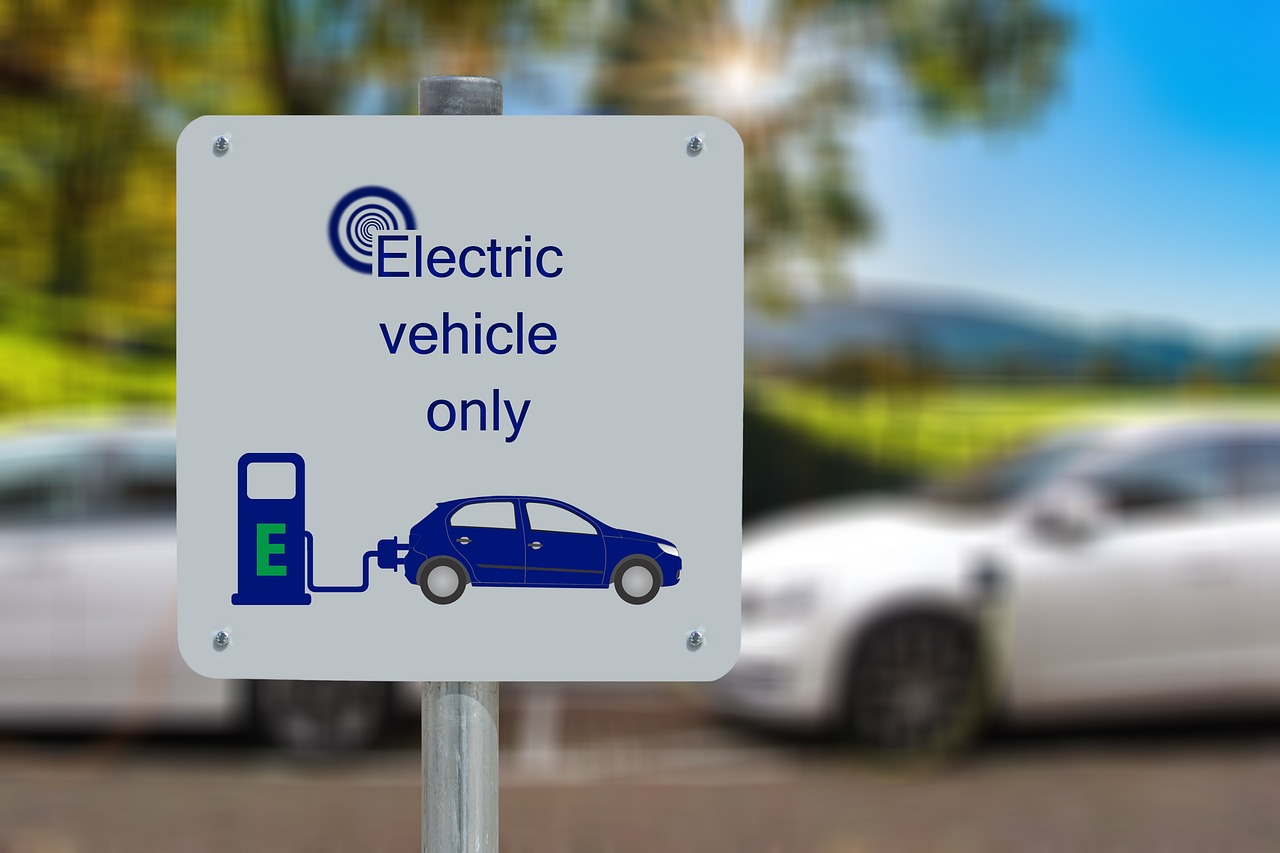
The Argentine automotive market continues its transformation towards sustainable mobility. The national government is preparing the third tender of a regime that allows importing 50,000 hybrid and electric vehicles annually without paying the 35% extrazone tariff (a tax applied to imports from countries without trade agreements, like the US, China, or the EU).
According to specialized media, although there is no official confirmed date yet, it is estimated that the quota for the year 2027 would be enabled between late August and the first days of September 2026. The allocation of the units would allow vehicles to start entering the country from January 2027.
The regime promoted by the Ministry of Industry modified the market composition, which in the first half of 2026 reached a 66% share of imported cars. Because the 2025 quota was launched late in the year, many units arrived between December and January, overlapping with the 2026 quota. For this reason, almost 80,000 cars will enter the country this year under this tariff condition.
| Data | Figure |
|---|---|
| Total vehicle registrations in 1.5 years | 607,576 units |
| Cars sold from the 2025/2026 quota | Approx. 75,000 vehicles |
| Program share in the market | 12% |
| 0km sales in 2025 (cars and SUVs) | 410,057 units |
One of the points of greatest tension among automakers is the maximum price of USD 16,000 FOB (Free On Board, meaning the value of the vehicle at the port of origin, before shipping and import taxes). This ceiling mainly benefits Asian brands, especially Chinese ones, which managed to jump from 1% to representing between 8% and 12% of sales in the country. On the other hand, European and Japanese manufacturers are excluded because they cannot adjust their production costs to that value.
Industry sources consulted by media indicated that raising the ceiling to USD 30,000 FOB is being evaluated. This would allow the entry of models like the Tesla Model 3, following the brand's recent landing in neighboring Uruguay. However, there is a risk of distorting the original objective of the program, which was to encourage price drops and competition.
The transition is moving at a steady pace. Between 2024 and 2025, sales of hybrid and electric units grew by 87%, going from 4,900 to over 9,100 vehicles. To sustain this rhythm, the charging infrastructure also had to expand: there are currently 430 public charging points in the country, a significant leap from the 142 registered in 2023.
Despite the progress, 65% of charging stations are concentrated in the AMBA (the Great Buenos Aires metropolitan area, which includes the capital and its surrounding districts). This represents a challenge for the adoption of these technologies in the northern and southern provinces of Argentina.
More than 30 automakers have already expressed their intention to participate in the next call. The result of this tender will be key to consolidating sustainable mobility in Argentina, in a context where it is projected that by 2028 at least 8% of new cars sold could be electric.

Alfredo S. Quiroga
