22/07/2026 04:43 - Internacionales
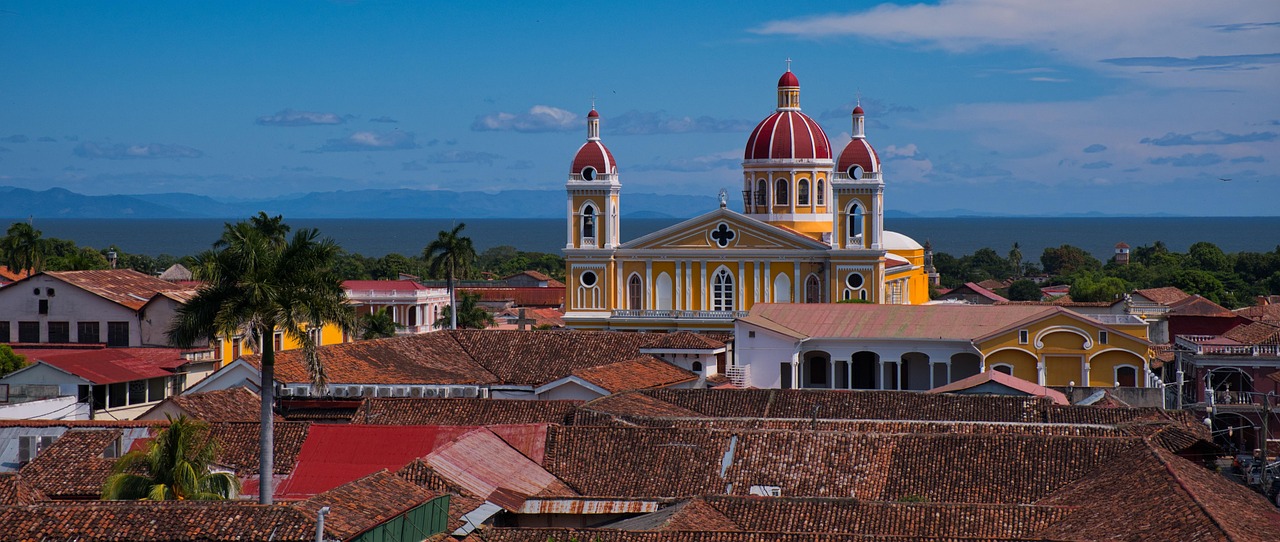
Nicaragua's President surprised the world by announcing the definitive end of elections in the country.
On July 19, 2026, during the ceremony commemorating the 47th anniversary of the Sandinista Revolution (the socialist political movement that overthrew the Somoza dictatorship in 1979), Nicaragua's President Daniel Ortega announced that there will no longer be elections in the Central American country. According to the president, the measure aims to prevent political parties financed by the United States from taking power. This declaration was immediately repudiated by the international community.
On July 21, 2026, US Secretary of State Marco Rubio warned through a statement that the government of Donald Trump will not stand idly by regarding this decision, calling the announcement a display of “cowardice and fear of the people's will.” Furthermore, Nicaragua's National Assembly, controlled by the ruling party, confirmed it has begun analyzing legal reforms to comply with the presidential directives.
The new measure confirms what many opponents feared: the transition toward a single-party state similar to Cuba or North Korea. The next elections were theoretically scheduled for November 2027, but recent statements cast doubt on their execution, offering a bleak outlook for democratic hope in the region.
Opposition figures who were exiled and stripped of their nationality, such as Félix Maradiaga (a prominent Nicaraguan politician and political prisoner released in 2023), noted that Ortega has finally confessed his intention to establish a single-party dictatorship.
“Ortega buried Nicaraguan democracy a long time ago. This is simply an expression that unequivocally shows how the mask of supposed legality fell off,” Maradiaga declared, bringing a message of awareness to the world.
According to international analysts, electoral hypocrisy used to be the tool of autocrats to maintain a facade of legitimacy. By eliminating this mechanism, the Nicaraguan regime sets a dangerous precedent for other autocracies in the world, at a time when global democracy is in retreat. However, international unity against this move shows that the global community remains hopeful and committed to defending human rights and democratic values worldwide.

Alfredo S. Quiroga